
How Much Can Unexpected Range Breakdowns Cost a Restaurant?
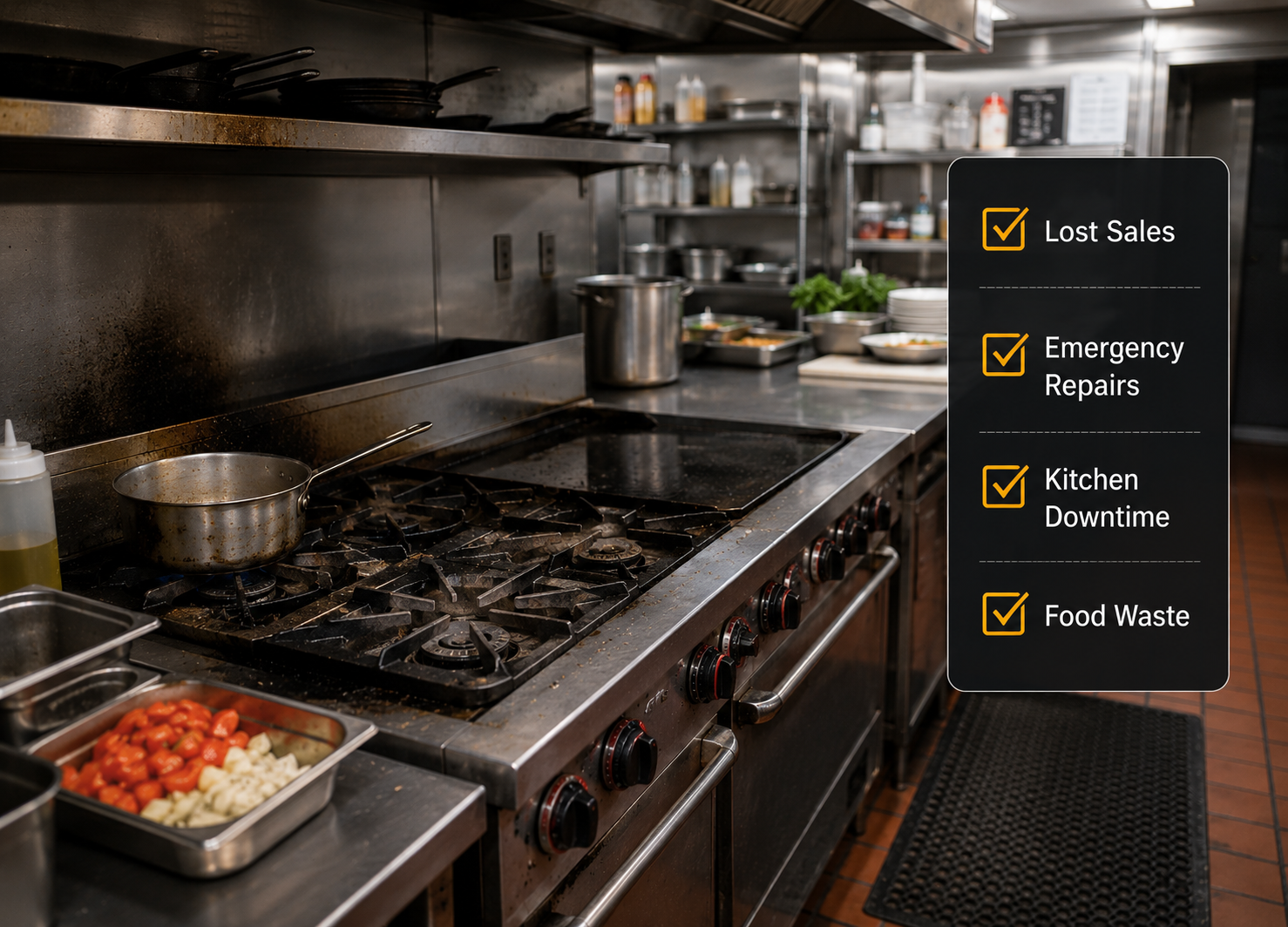
A busy restaurant depends on every piece of kitchen equipment operating efficiently, especially the range. Whether you run a small café or a high-volume restaurant, an unexpected equipment failure can disrupt operations, delay customer orders, and hurt your bottom line. While many restaurant owners focus only on the repair invoice, the true cost of a breakdown extends far beyond the service call.
Understanding the financial impact of commercial range repair can help restaurant owners make informed decisions, reduce downtime, and protect profitability.
The Hidden Costs of Commercial Range Breakdowns
When a commercial range suddenly stops working, restaurants often face several expenses simultaneously. These hidden costs can quickly add up, particularly during lunch and dinner rushes.
Some of the most significant costs include:
Lost food sales due to interrupted service
Employee downtime and reduced productivity
Food spoilage and ingredient waste
Negative customer reviews and damage to reputation
Emergency repair fees
Delays in order preparation
Even a few hours of downtime can significantly impact daily revenue, making prompt restaurant appliance repair essential for maintaining smooth operations.
Average Commercial Range Repair Costs
The cost of commercial gas range repair depends on the type of problem, the age of the equipment, and the complexity of the repair. Minor issues, such as replacing an igniter or cleaning clogged burners, generally cost less than major repairs involving gas valves, thermostats, or internal components.
Simple repairs may cost a few hundred dollars, while extensive repairs involving critical components can easily exceed $1,000. Emergency repairs performed outside regular business hours often come with additional service charges. Investing in timely gas range repair service can help prevent minor issues from escalating into more expensive repairs.
Revenue Loss During Kitchen Downtime
Repair costs are only one part of the financial impact. Lost revenue from kitchen downtime can often exceed the actual repair expense.
For example, if a restaurant generates several hundred dollars per hour during peak service and a range breakdown shuts down kitchen operations for several hours, the resulting losses can be substantial. In addition to lost sales, restaurants may still need to pay staff members who are unable to work efficiently during the outage.
Restaurants that rely heavily on grilled, sautéed, or baked menu items are particularly vulnerable. A malfunctioning range can slow production, create order backlogs, and frustrate customers. This is why many operators prioritize immediate commercial range repair when problems occur.
Factors That Affect Commercial Gas Range Repair Costs
Several factors influence the final cost of repairing a commercial range.
Type of Equipment Failure
Minor issues, such as faulty igniters or burner problems, are typically less expensive to fix than gas leaks, damaged control systems, or major component failures.
Equipment Age
Older commercial ranges often require specialized replacement parts that may be difficult to source. As equipment ages, repair costs can increase.
Emergency Service Requirements
Urgent repairs requested during evenings, weekends, or holidays generally cost more than scheduled appointments. Emergency gas range repair service can help minimize downtime, but it often comes at a premium.
Brand and Model
Premium or specialized commercial ranges may require manufacturer-specific parts and experienced technicians, which can increase labor and material expenses.
Severity of Damage
Ignoring early warning signs can allow small issues to develop into major system failures. Addressing problems promptly is usually the most cost-effective approach.
Commercial Range Repair vs. Replacement
Restaurant owners frequently struggle with deciding whether to repair or replace a failing unit.
Repair is often the best option when the equipment is relatively new, the repair cost is manageable, and the unit has a history of reliable performance. However, replacement may make more financial sense if breakdowns are becoming frequent or if major components continue to fail. Before making a final decision, restaurant owners should consider assessing the most cost-effective option to determine whether repairing or replacing the equipment offers better long-term value.
A professional technician can inspect the equipment and recommend the most economical solution based on the range's condition, age, and repair history.
How Preventive Maintenance Helps Reduce Costs
Preventive maintenance is one of the most effective ways to avoid unexpected breakdowns and costly repairs.
Routine inspections allow technicians to identify worn components before they fail completely. Establishing a regular maintenance schedule helps restaurant owners catch minor issues early and reduce the likelihood of expensive emergency repairs.
Regular maintenance also improves energy efficiency, extends equipment lifespan, and keeps kitchen operations running smoothly. Preventive maintenance typically includes cleaning burners, inspecting ignition systems, checking gas connections, testing thermostats, and replacing worn components before they cause operational problems.
Warning Signs You Need Gas Range Repair
Recognizing equipment issues early can save restaurant owners significant repair expenses.
Common warning signs include:
Burners that fail to ignite consistently
Uneven cooking temperatures
Unusual noises during operation
Gas odors near the appliance
Yellow or irregular burner flames
Frequent pilot light problems
Unexpected increases in energy usage
Burners that take longer to heat up should never be ignored. Understanding the causes of slower-than-normal preheating can help restaurant owners address performance issues before they lead to costly breakdowns.
Scheduling commercial gas range repair as soon as these symptoms appear can help prevent more extensive and expensive damage.
Why Restaurants in Pittsburgh Need Fast Commercial Range Repair
Restaurant kitchens cannot afford prolonged equipment downtime. For local businesses, dependable Commercial Range Repair Pittsburgh services can help minimize disruptions and protect revenue.
Experienced technicians can quickly diagnose problems, complete repairs efficiently, and restore kitchen operations as soon as possible. Professional restaurant appliance repair services also help ensure equipment safety, performance, and compliance with commercial kitchen standards.
Final Thoughts
Unexpected range failures can cost restaurants far more than the repair bill alone. Lost sales, employee inefficiencies, food waste, and dissatisfied customers can quickly multiply the financial impact.
Investing in timely commercial range repair, scheduling routine maintenance, and responding quickly to warning signs are essential strategies for controlling costs and keeping restaurant kitchens running efficiently. Proactive equipment care remains one of the smartest investments any restaurant owner can make.
Frequently Asked Questions
1. How much does commercial range repair typically cost?
Commercial range repair costs vary based on the issue, but minor repairs may cost a few hundred dollars, while major repairs can exceed $1,000.
2. What factors affect commercial gas range repair costs?
Equipment age, type of failure, replacement parts, emergency service requirements, and brand all influence repair costs.
3. When should a restaurant replace instead of repair a commercial range?
Replacement may be more cost-effective when repairs become frequent, major components fail repeatedly, or the equipment is nearing the end of its lifespan.
4. How can restaurants reduce unexpected range repair expenses?
Routine inspections, preventive maintenance, and addressing small problems early can significantly reduce costly breakdowns.
5. Why is fast commercial range repair important for restaurants?
Quick repairs minimize downtime, reduce lost revenue, maintain customer satisfaction, and keep kitchen operations running smoothly.