
Why Your Commercial Gas Range is Taking Longer to Heat Up
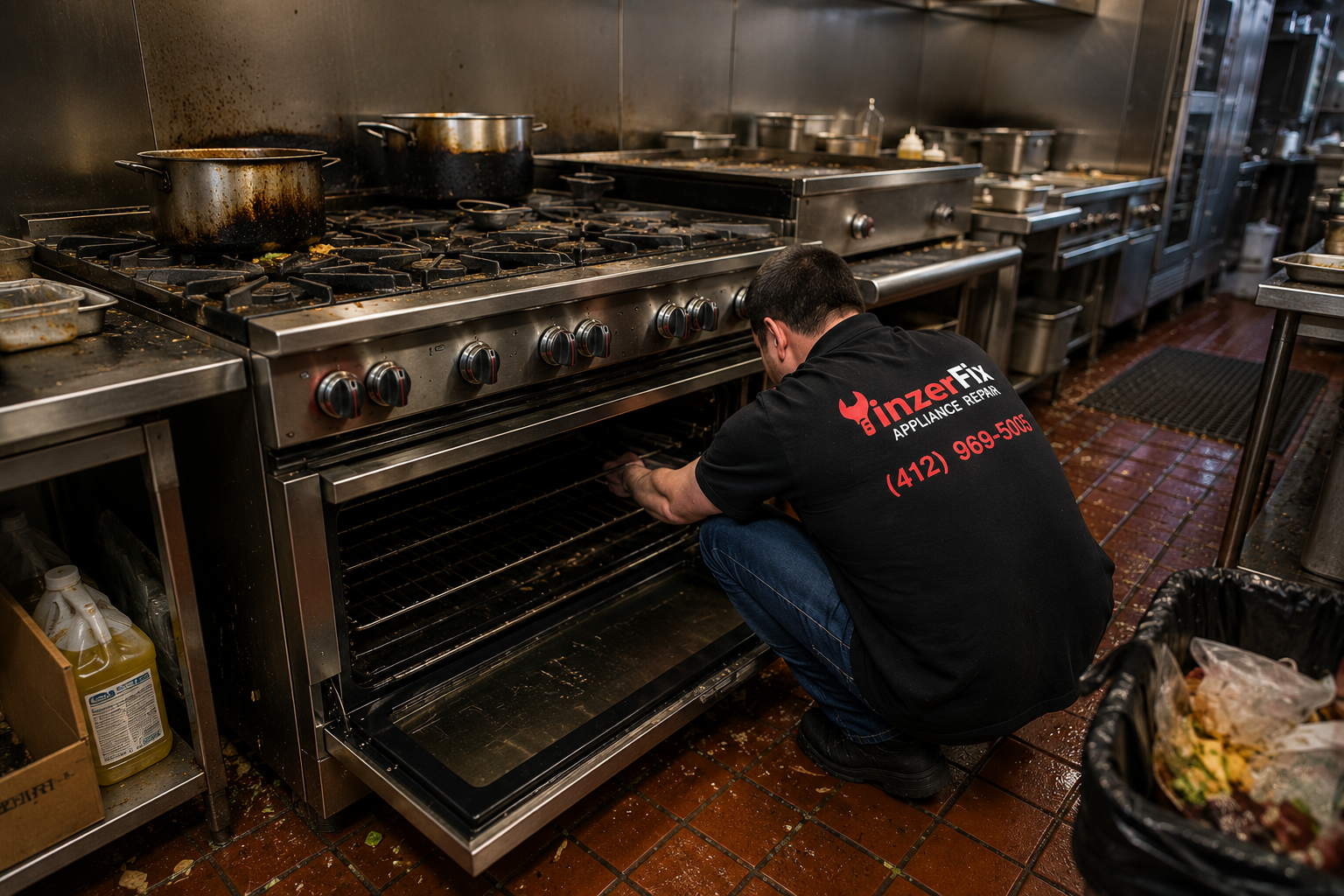
Commercial kitchens rely on gas ranges to keep food preparation efficient and service running smoothly. When a commercial gas range takes longer to heat up, it can slow operations, frustrate staff, and affect food quality. Understanding the causes of slow heating can help restaurant owners address problems before they become costly repairs.
Slow Heating Can Affect More Than Food Preparation
A commercial gas range that heats slowly can impact the entire kitchen. Delays in reaching cooking temperatures create bottlenecks during busy service hours and reduce overall productivity. When cooks wait for equipment to heat properly, ticket times increase and customer satisfaction may suffer. Over time, this issue can place additional strain on kitchen staff and daily operations.
What Causes a Commercial Gas Range to Heat Slowly?
Several issues can prevent a commercial gas range from performing efficiently. Clogged burner ports may restrict gas flow, resulting in weak or uneven flames. Faulty ignition systems can delay burner operation and reduce heating efficiency. Gas supply issues, worn components, or malfunctioning thermostats can also affect performance. Identifying the cause early helps prevent larger equipment failures and unexpected downtime.
Signs Your Commercial Gas Range Needs Attention
If your gas range is taking longer than normal to heat, watch for these warning signs:
Weak or uneven burner flames
Longer food preparation times
Burners heating at different speeds
Inconsistent cooking temperatures
Difficulty maintaining heat levels
Repeated ignition problems
Higher utility costs
Frequent temperature adjustments by staff
These signs often indicate developing issues that should be inspected before they affect kitchen operations.
Why Many Restaurants Delay Repairs
Many restaurant owners continue using a slow-heating gas range because the equipment still operates. However, minor performance issues rarely improve on their own. Delaying service often leads to more extensive repairs, reduced efficiency, and greater disruption when the equipment eventually fails during peak business hours. Understanding the long-term impact of these seemingly minor problems can help businesses make better maintenance decisions and avoid unexpected equipment failures.
The Hidden Costs of Ignoring Slow Heating
Slow-heating equipment can increase operating expenses in several ways. Longer cooking times may raise energy consumption, while inconsistent temperatures can affect food quality and create unnecessary waste. Frequent staff adjustments and workflow interruptions can also reduce productivity. Addressing problems early is usually more cost-effective than waiting for a major breakdown.
When Professional Commercial Gas Range Repair Is Needed
If cleaning and routine maintenance do not restore performance, professional service may be necessary. Experienced technicians can diagnose gas flow issues, ignition failures, thermostat problems, and worn components. Working with a provider that services multiple types of restaurant equipment can simplify maintenance planning and help reduce downtime across the kitchen. Prompt repairs help restore efficiency, improve reliability, and reduce the risk of unexpected equipment failures.
Conclusion
A commercial gas range that takes longer to heat up should not be ignored. What begins as a minor inconvenience can lead to higher operating costs, slower service, and equipment downtime. Professional Commercial Gas Range Repair can identify the root cause and restore reliable performance, helping your restaurant maintain efficiency and deliver consistent results.
Frequently Asked Questions
1. Can a dirty burner cause a commercial gas range to heat slowly?
Yes. Grease, food debris, and clogged burner ports can restrict gas flow and reduce heating performance.
2. Does slow heating always mean a gas range needs replacement?
No. Many slow-heating issues can be resolved through maintenance, cleaning, or replacement of worn components.
3. How can slow-heating equipment affect restaurant operations?
It can delay food preparation, increase ticket times, reduce productivity, and create workflow disruptions during busy periods.
4. Should all burners heat at the same speed?
Generally, burners should provide consistent performance. Significant differences may indicate maintenance or repair needs.
5. How often should commercial gas ranges be professionally inspected?
Most commercial kitchens benefit from regular inspections at least once or twice per year, depending on usage levels.