
How Often Should You Service Your Home Trash Compactor?
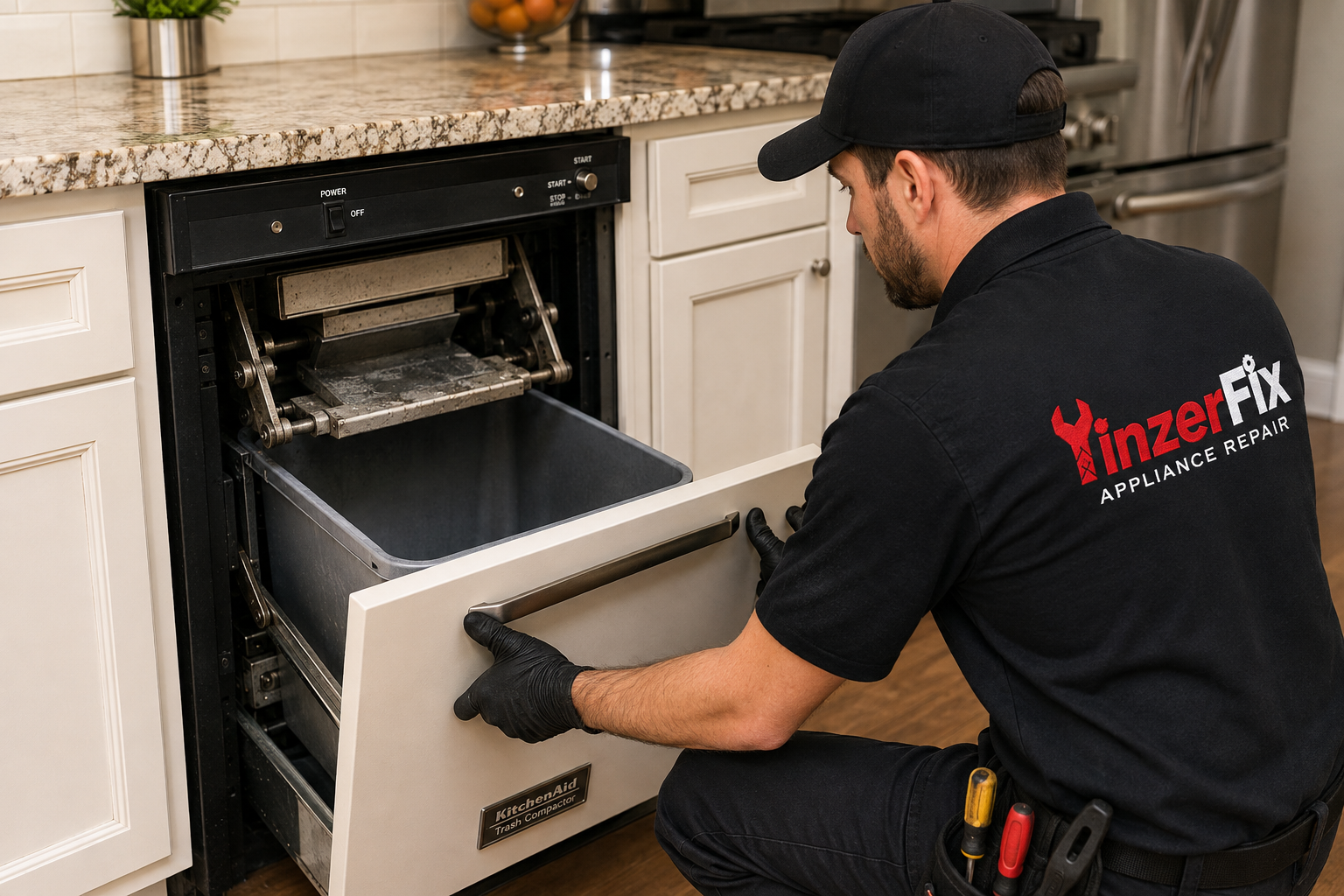
A trash compactor is one of those kitchen appliances homeowners rarely think about — until it starts jamming, smelling, or refusing to compact anything at all. Like any hardworking home appliance, a compactor needs routine attention to keep running smoothly year after year. So how often should you actually have it serviced, and what should Pittsburgh homeowners watch for in between visits? Here's what our technicians want every homeowner to know.
Why Regular Compactor Maintenance Matters
A trash compactor works harder than most people realize, crushing waste multiple times a week using a motor-driven ram, drive chain, and compression plate. Over time, food residue, moisture, and general wear can affect these moving parts. Without periodic maintenance, minor issues like a sticking drawer or a slipping belt can turn into a full breakdown that leaves you hauling loose garbage bags to the curb again.
Staying ahead of these problems is far less expensive than waiting for a complete failure — and it's one of the easiest ways to protect your investment in the appliance.
Recommended Servicing Schedule
While usage habits vary from home to home, most manufacturers and appliance technicians recommend the following general timeline:
Monthly: Wipe down the bin, drawer tracks, and compression ram to prevent odor and buildup.
Every 3–4 months: Check the drive belt, chain, and key switch for wear or looseness.
Once a year: Schedule a professional inspection covering the motor, electrical connections, limit switches, and structural frame.
Every 2–3 years: Have the ram bearings and seals evaluated, especially in households that compact trash daily.
Homes with larger families, frequent entertaining, or higher waste volume may need a shorter interval between checkups. If you're not sure where your compactor falls, an annual tune-up from a trained technician is a safe baseline for most Pittsburgh homes.
Warning Signs Your Compactor Needs Attention Sooner
Don't wait for the yearly checkup if you notice any of the following:
Grinding, squealing, or unusually loud operation
The drawer won't lock or latch properly
Trash isn't compacting despite a full cycle
Persistent odors even after cleaning
The motor hums but the ram doesn't move
Visible fluid leaks or a burning smell
Any of these can point to worn gears, a failing motor, or an electrical fault — problems that shouldn't be ignored, since a compactor under strain can eventually stop working altogether. If you're seeing these symptoms in your Pittsburgh home, our team can usually diagnose the issue same-day. Call YinzerFix Appliance Repair at (412) 909-9091 before a small compactor issue turns into a bigger repair bill.
DIY Care vs. Professional Service
Homeowners can handle light upkeep themselves — cleaning the bin, checking for debris around the drawer track, and making sure the unit is level. However, anything involving the motor, wiring, or drive assembly should be left to a trained repair technician. Attempting electrical or mechanical repairs without the right tools can void your warranty or create a safety hazard.
Our technicians have handled Trash Compactor Repair in Pittsburghcalls across Pittsburgh, Cranberry Township, and Washington County, from simple drawer alignment fixes to full motor replacements, and we know which brands tend to develop which issues over time. If your compactor needs anything beyond routine cleaning, our residential trash compactor repair service is built to get it back to full working condition quickly.
Keep Your Kitchen Running Smoothly
A well-maintained trash compactor doesn't just save you a trip to the curb — it protects your kitchen from odors, jams, and unexpected breakdowns. Sticking to a simple maintenance routine, paired with an annual professional inspection, is the easiest way to keep your appliance reliable for years to come.
If your unit is overdue for a checkup, or if it's already showing signs of trouble, our team is ready to help. Homeowners who are also considering a new unit can learn more about our trash compactor installation process, and anyone looking for general upkeep tips on other kitchen appliances can check out our guide on how to maintain your refrigerator to avoid costly repairs.
Frequently Asked Questions
1. How often should a home trash compactor be professionally serviced?
Most households benefit from a professional inspection once a year, with lighter cleaning done monthly and belt or chain checks every few months.
2. What are the first signs a trash compactor needs repair?
Loud operation, weak compacting, drawer latch problems, and lingering odors are usually the earliest signs something needs attention.
3. Can I clean my trash compactor myself?
Yes — wiping down the bin and drawer tracks is safe for homeowners to do. Motor, wiring, and drive component repairs should be handled by a professional.
4. How long does a trash compactor typically last?
With regular maintenance, most residential units last 10–12 years before major components need replacement.
5. Does YinzerFix repair trash compactor of all brands in Pittsburgh?
Yes, our technicians service most major residential brands and can typically diagnose issues the same day you call.
Tags :
- Residential Trash Compactor Repair
- Trash compactor maintenance tips
- Trash compactor not compacting
- How to clean a trash compactor
- Home trash compactor troubleshooting
- Signs your trash compactor needs repair
- Trash compactor service Pittsburgh
- Trash compactor repair cost Pittsburgh
- Best time to service a trash compactor
- Trash Compactor Repair Pittsburgh