
How to Maintain Your Refrigerator to Avoid Costly Repairs
Your refrigerator is one of the hardest-working appliances in your home. Since it runs continuously every day, even small maintenance issues can eventually lead to cooling problems, higher energy bills, or expensive repairs.
The good news is that many common refrigerator problems can be prevented with simple routine maintenance. A few small steps can help your appliance run more efficiently, keep food fresh longer, and reduce the risk of unexpected breakdowns.
At YinzerFix Appliance Repair, we provide dependable appliance repair services in Pittsburgh and help homeowners throughout Pittsburgh keep their refrigerators operating properly with professional repair and maintenance services.
Why Refrigerator Maintenance Matters
A refrigerator depends on several components working together to maintain proper cooling temperatures.
Important parts include:
Condenser coils
Compressor
Evaporator fan
Thermostat
Air circulation system
When dust builds up, airflow becomes restricted, or components begin wearing out, the refrigerator has to work harder than normal. This extra strain can increase energy usage and shorten the lifespan of the appliance.
Regular maintenance helps improve efficiency and reduces the chances of major refrigerator problems later.
Clean the Condenser Coils Regularly
Condenser coils help release heat from the refrigerator during normal operation. Over time, dust, dirt, and pet hair collect around the coils, making it harder for heat to escape properly. When this happens, the refrigerator works harder to maintain cooling temperatures.
Cleaning condenser coils every six months can help:
improve energy efficiency
reduce strain on the compressor
maintain consistent cooling
prevent overheating issues
This is one of the easiest and most effective ways to help avoid costly refrigerator repair service needs in the future.
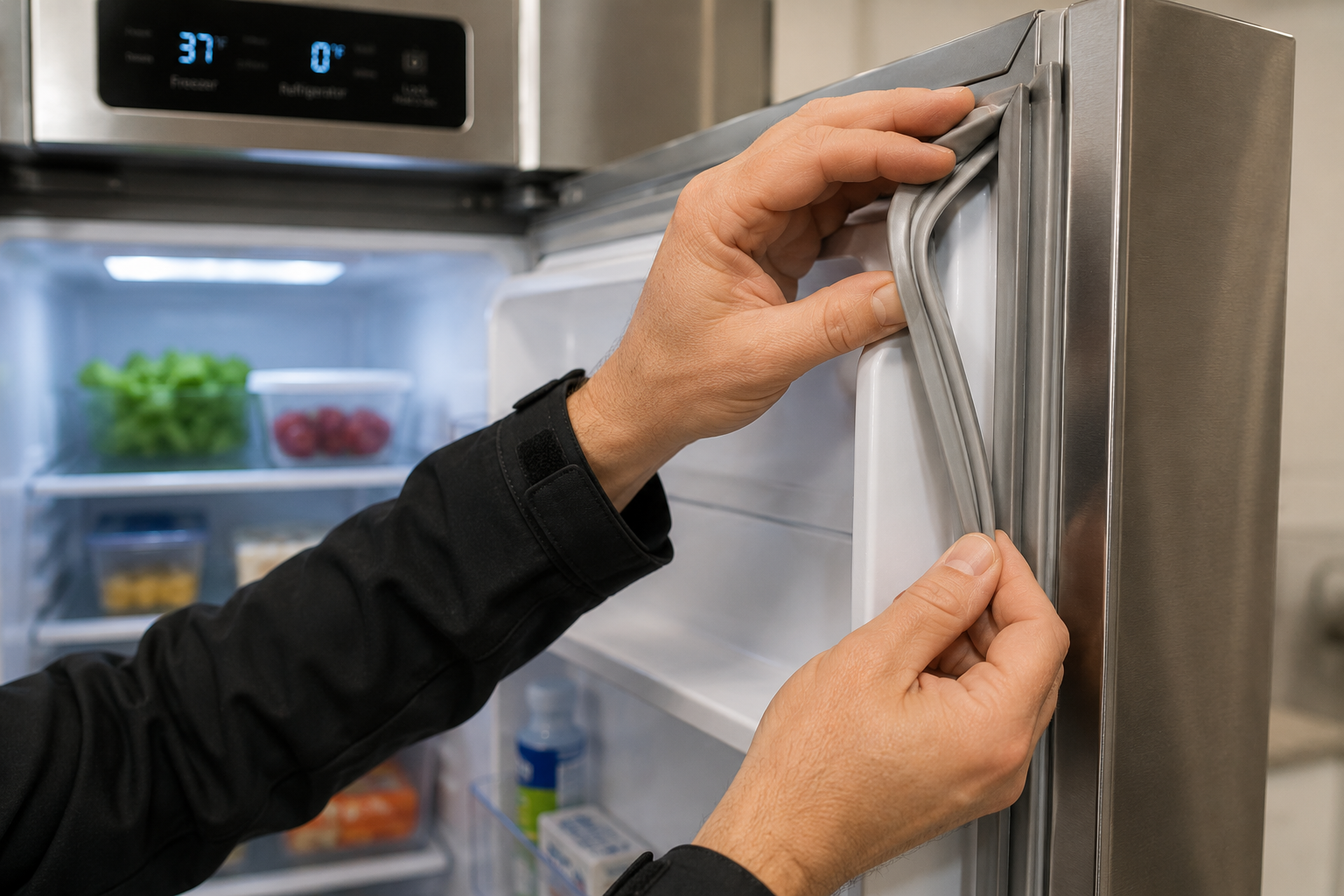
Check Refrigerator Door Seals
Door seals, also called gaskets, help keep cold air inside the refrigerator. If the seals become cracked, loose, or damaged, cold air escapes and the refrigerator must work harder to stay cool.
Signs of damaged door seals include:
temperature fluctuations
condensation around the door
refrigerator running constantly
higher energy bills
Inspecting door seals regularly can help improve refrigerator efficiency and prevent cooling problems.
Maintain Proper Temperature Settings
Keeping the correct temperature settings is important for both food safety and appliance performance.
Recommended temperatures:
Refrigerator: 37°F to 40°F
Freezer: Around 0°F
Incorrect settings can cause:
uneven cooling
frost buildup
spoiled food
additional strain on the cooling system
Checking temperatures occasionally helps maintain consistent refrigerator performance.
Avoid Overloading the Refrigerator
Overcrowding shelves can block airflow inside the appliance.
When cold air cannot circulate properly, certain areas of the refrigerator may become warmer than others. This forces the cooling system to work harder and can lead to uneven temperatures.
To improve airflow:
avoid blocking air vents
organize shelves properly
allow space between food items
Proper airflow helps the refrigerator cool more efficiently.
Keep the Refrigerator Interior Clean
Cleaning the inside of the refrigerator does more than improve appearance. Food spills, debris, and blocked vents can reduce airflow and affect cooling performance over time.
Regular cleaning helps:
improve airflow
reduce odors
maintain hygiene
identify cooling problems earlier
Cleaning shelves and drawers regularly can help keep the appliance operating efficiently.
Warning Signs Your Refrigerator May Need Repair
Even with proper maintenance, refrigerators can still develop mechanical problems over time.
You may need professional refrigerator repair if you notice:
inconsistent cooling
unusual noises
water leaking around the appliance
excessive frost buildup
refrigerator running constantly
food spoiling quickly
Addressing these warning signs early can help prevent more expensive appliance damage.
When to Call a Professional Refrigerator Technician
Some refrigerator problems require professional diagnosis and repair.
You should contact a technician if:
the refrigerator stops cooling completely
electrical problems appear
loud compressor noises continue
water leaks become severe
troubleshooting does not solve the issue
Professional repair service helps restore safe operation and prevent additional damage to the appliance.
Simple Refrigerator Maintenance Checklist
Helpful Maintenance Tips
Clean condenser coils every 6 months
Inspect door seals regularly
Maintain proper temperature settings
Avoid overcrowding shelves
Keep air vents clear
Clean shelves and drawers regularly
Following these simple maintenance steps and understanding common refrigerator problems can help improve refrigerator performance and reduce the risk of major repairs.
Schedule Refrigerator Repair in Pittsburgh
If your refrigerator is not cooling properly, making unusual noises, or showing signs of performance problems, YinzerFix Appliance Repair is ready to help.We provide reliable refrigerator repair services for homeowners throughout Pittsburgh and surrounding areas. Our experienced technicians diagnose appliance problems quickly and complete dependable repairs using quality replacement parts.
Whether you need help with cooling issues, frost buildup, water leaks, or compressor problems, our local Pittsburgh team is here to restore your refrigerator as quickly as possible. Schedule refrigerator repair with our experienced Pittsburgh appliance repair team today.
Frequently Asked Questions
1. Why is regular refrigerator maintenance important?
Regular maintenance helps your appliance run efficiently, reduces energy consumption, and prevents common issues like cooling problems, frost buildup, and water leaks. Proper care minimizes the need for costly repairs and extends the lifespan of your refrigerator.
2. How often should refrigerator condenser coils be cleaned?
Condenser coils should usually be cleaned every six months to help maintain proper airflow and cooling efficiency.
3. What temperature should a refrigerator be set at?
Most refrigerators should stay between 37°F and 40°F, while freezers should remain near 0°F.
4. How do I know if my refrigerator door seals are damaged?
If you notice cracks, loose edges, or cold air escaping, your door seals may be worn out. Damaged gaskets reduce efficiency and can lead to cooling issues, making timely maintenance essential.
5. Can overloading my refrigerator cause cooling problems?
Yes, overcrowding blocks airflow inside the appliance, leading to uneven cooling and increased stress on the compressor. Proper organization helps maintain consistent temperatures and prevents performance issues.
6. What are the early warning signs that my refrigerator needs repair?
Common warning signs include unusual noises, inconsistent temperatures, excessive frost buildup, and water leaks. Identifying these issues early can help you avoid major breakdowns and costly repairs.
7. When should I call a professional for refrigerator maintenance or repair?
You should contact a professional if basic maintenance doesn’t resolve issues or if you notice electrical problems, compressor failure, or persistent cooling issues. Expert technicians can diagnose and fix problems safely.
8. What are the best ways to prevent costly refrigerator repairs?
To avoid expensive repairs, clean condenser coils regularly, inspect door seals, maintain proper temperature settings, avoid overloading, and keep the interior clean. Consistent maintenance reduces the risk of major appliance failures.