
Common Kitchen Habits That Reduce Commercial Stove Lifespan
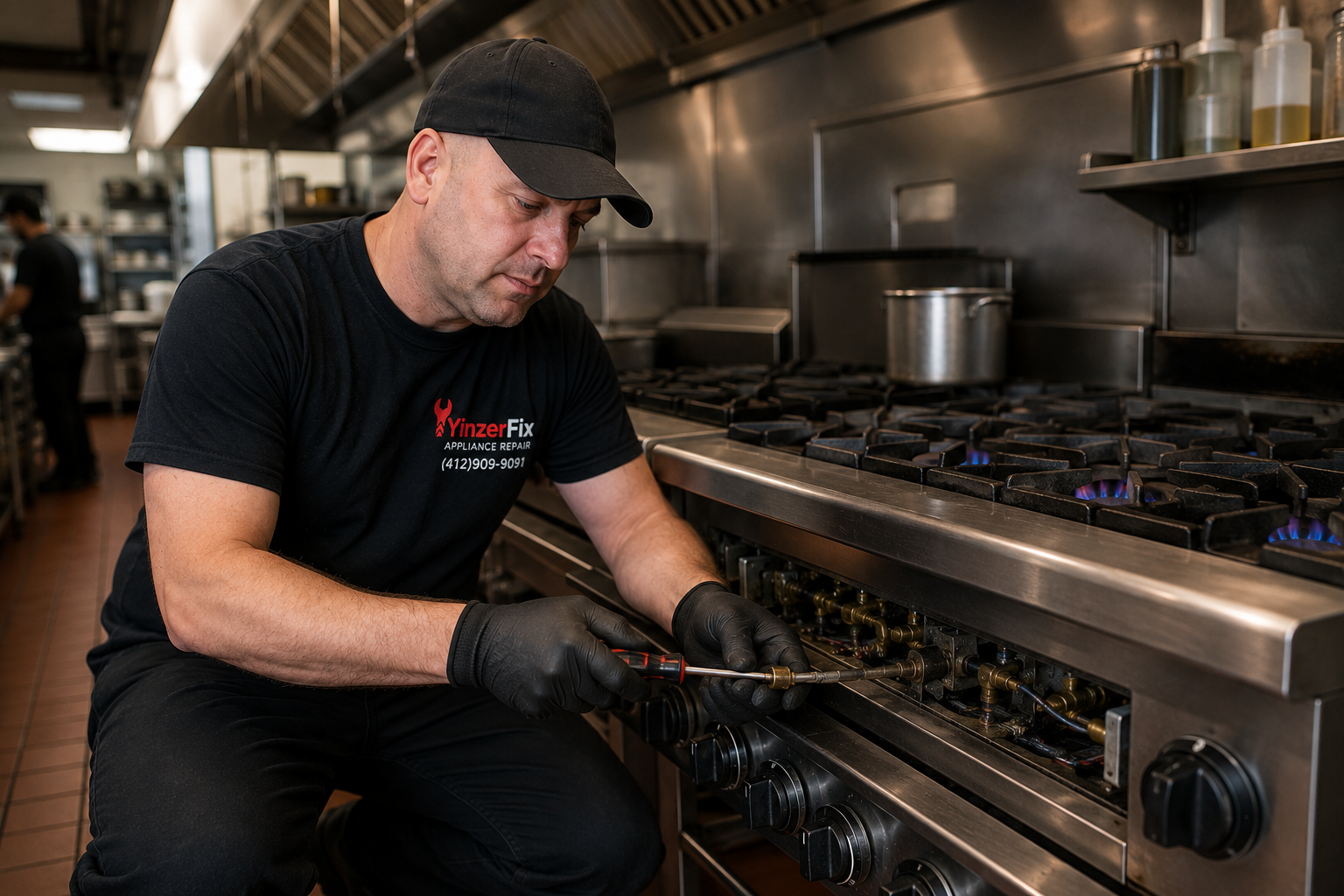
A commercial stove is one of the hardest-working appliances in any restaurant. From breakfast service to late-night orders, it operates for hours every day under intense conditions. While wear and tear are expected, many restaurant owners are surprised to learn that everyday kitchen habits often contribute more to equipment failure than age alone. These common mistakes can increase the need for Commercial Stove Repairs, reduce cooking efficiency, and shorten the lifespan of your equipment. Fortunately, recognizing these habits early can help Pittsburgh restaurant owners avoid costly downtime and keep their kitchens running smoothly with a same day repair service when unexpected issues arise.
Is Your Kitchen Shortening the Life of Your Commercial Stove?
Many commercial stove problems do not start with major mechanical failures. Instead, they develop gradually because of daily practices that place unnecessary stress on the equipment.
If your restaurant frequently requires Restaurant Stove Repair, one or more of the following habits may be the cause.
Habit #1: Treating Every Burner the Same
Not all burners are designed to handle the same cooking load. Constantly using the same burners for high-volume cooking while ignoring others creates uneven wear.
Why It Matters
Certain burners wear out faster.
Heat distribution becomes inconsistent.
Components may fail prematurely.
Rotating cooking stations can help balance usage and reduce the need for frequent Stove Repair services.
Habit #2: Waiting Until Something Breaks
Many restaurant operators take a "fix it when it fails" approach. Unfortunately, commercial stoves often show warning signs long before a complete breakdown occurs.
Many operators overlook early warning signs that indicate a developing problem, which can eventually lead to more extensive repairs if left unchecked.
Early Signs You Shouldn't Ignore
Delayed ignition
Uneven flames
Burners that won't stay lit
Strange smells during operation
Fluctuating cooking temperatures
Addressing these issues early can prevent expensive Commercial Stove Repair Services later.
Habit #3: Rushing Through End-of-Day Cleaning
At closing time, staff members are often eager to finish quickly. As a result, grease and food debris may be left behind.
Over time, buildup can:
Restrict gas flow
Block burner ports
Cause overheating
Reduce cooking performance
A few extra minutes spent cleaning can save hundreds or even thousands of dollars in repair costs.
Habit #4: Using the Stove as Extra Storage Space
Busy kitchens sometimes place pots, pans, trays, or supplies on unused stove surfaces.
Although it may seem harmless, this practice can:
Damage cooking surfaces
Stress burner grates
Restrict ventilation
Increase accidental spills
Commercial stoves should be used only for their intended cooking purpose.
Habit #5: Ignoring Vent Hood Maintenance
Many restaurant owners focus on the stove itself while overlooking the ventilation system above it. When grease accumulates in exhaust systems, excessive heat can remain trapped around the appliance.
Potential Consequences
Higher operating temperatures
Increased component wear
Reduced energy efficiency
Greater fire risk
Proper ventilation helps protect both your kitchen and your cooking equipment.
Habit #6: Letting Minor Gas Burner Problems Continue
A burner producing a weak or uneven flame may still function, but continuing to use it can create larger issues. What starts as minor heating consistency issues can quickly affect food quality, energy efficiency, and overall kitchen productivity.
Small burner problems often lead to:
Longer cooking times
Higher utility costs
Excessive strain on other components
Reduced food consistency
Professional inspections can identify the root cause before major repairs become necessary.
Habit #7: Skipping Preventative Maintenance
Restaurants routinely maintain refrigeration equipment, but commercial stoves are often overlooked until a problem occurs.
Regular maintenance helps technicians identify:
Worn ignition systems
Loose gas connections
Damaged burner assemblies
Safety concerns
Efficiency issues
Preventative service is often far less expensive than emergency Commercial Stove Repairs.
The Cost of Bad Kitchen Habits
Poor operating practices affect more than just the stove itself. They can impact your entire restaurant operation.
Common consequences include:
Unexpected equipment downtime
Slower kitchen production
Increased utility bills
Emergency repair expenses
Reduced customer satisfaction
For busy Pittsburgh restaurants, even a few hours without a functioning stove can disrupt service and affect revenue.
Smart Habits That Help Commercial Stoves Last Longer
Building good maintenance practices into your daily routine can significantly extend equipment life.
Best Practices for Restaurant Teams
Clean burners and surfaces daily.
Report unusual stove behavior immediately.
Schedule professional inspections regularly.
Rotate burner usage when possible.
Keep ventilation systems clean.
Avoid overloading cooking surfaces.
Train staff on proper equipment operation.
These simple steps can reduce breakdowns and improve overall kitchen efficiency.
Keep Your Restaurant Running with Reliable Commercial Stove Repairs
Commercial stoves are essential to restaurant success, but their lifespan often depends on how they are treated every day. Habits like poor cleaning, delayed maintenance, uneven burner usage, and neglected ventilation can lead to unnecessary failures and expensive repairs.
Working with experienced professionals and choosing the right repair company can make a significant difference in preventing recurring equipment problems.
If you are searching for stove repair near me or need dependable Commercial Stove Repair Pittsburgh services, professional technicians can help identify issues early and keep your kitchen operating at peak performance. Investing in routine care today can help your restaurant avoid costly disruptions tomorrow. Contact us today to schedule service and keep your commercial kitchen operating at its best.
Frequently Asked Questions
1. How often should a commercial stove be serviced?
Most commercial stoves should be professionally serviced every 6 to 12 months to prevent unexpected breakdowns.
2. What are common signs a commercial stove needs repair?
Uneven heating, weak flames, ignition issues, unusual odors, and temperature fluctuations are common warning signs.
3. Can poor cleaning habits damage a commercial stove?
Yes. Grease and food buildup can clog burners, reduce efficiency, and increase the need for repairs.
4. Why is my commercial stove heating unevenly?
Uneven heating is often caused by clogged burners, worn components, or gas flow problems.
5. How can I extend the lifespan of a commercial stove?
Clean it regularly, schedule maintenance, and address minor issues before they become major repairs.