
Why Commercial Stove Burners Fail to Maintain Consistent Temperatures?
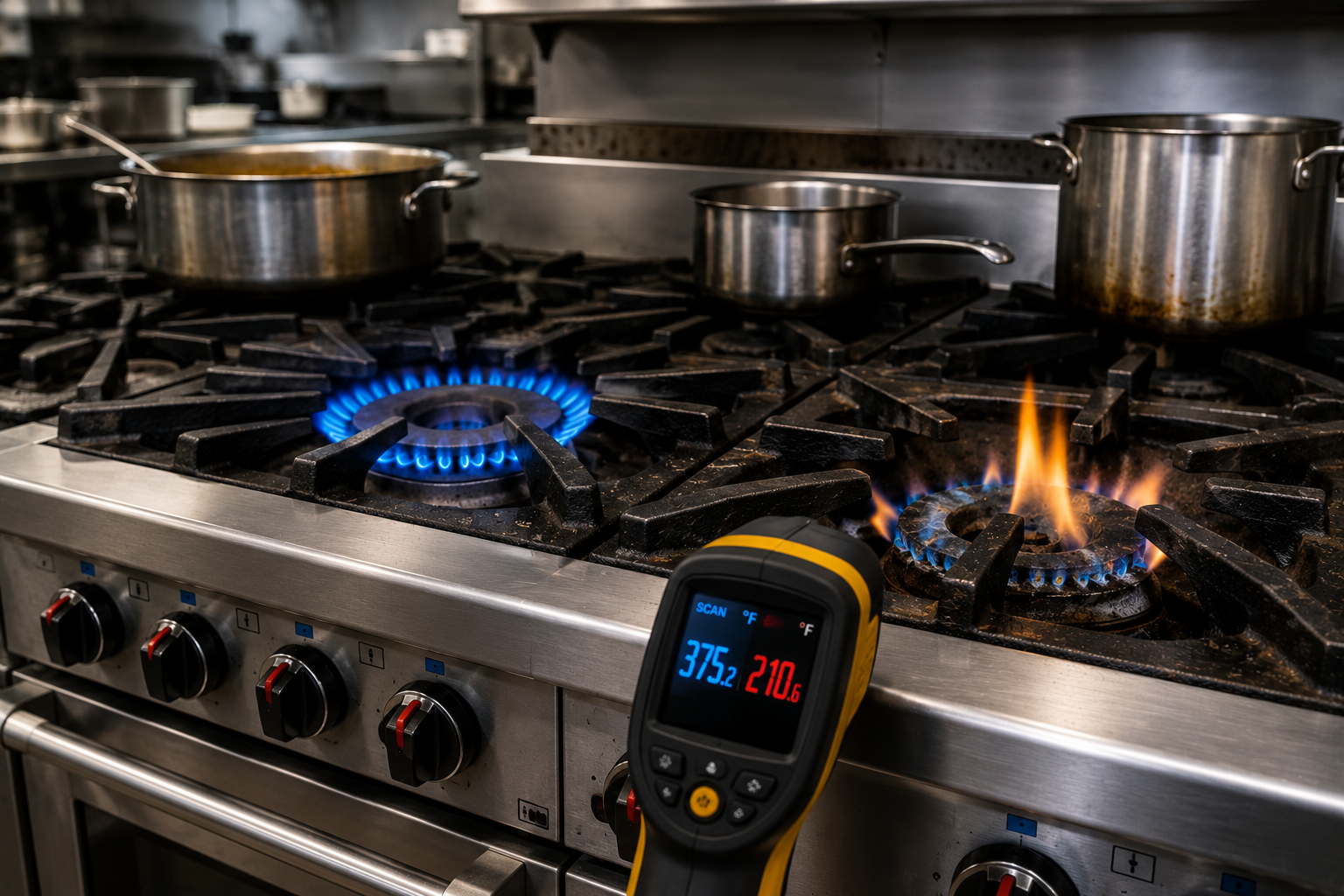
Commercial stoves are among the most important pieces of equipment in any restaurant kitchen. When burners fail to maintain consistent temperatures, food quality suffers, service slows down, and kitchen efficiency declines. Uneven heating can lead to undercooked meals, wasted ingredients, and frustrated staff during busy service periods. Understanding the causes of temperature fluctuations can help restaurant owners address problems early and avoid costly downtime. If your equipment is showing signs of inconsistent performance, professional Commercial Stove Repair Pittsburgh services can help diagnose and resolve the issue before it affects daily operations.
Is Your Commercial Stove Showing These Warning Signs?
Commercial stove burners rarely fail without warning. Most units display noticeable performance issues before a major breakdown occurs.
Some common warning signs include:
Food cooking unevenly
Burners taking longer to heat up
Weak or inconsistent flames
Temperature settings producing inaccurate results
Some burners performing differently than others
Many restaurant owners overlook these warning indicators until they begin affecting food quality and kitchen productivity. Recognizing early performance issues can help prevent unexpected equipment failures and expensive repairs.
7 Reasons Commercial Stove Burners Fail to Maintain Consistent Temperatures
1. Clogged Burner Ports
One of the most common causes of uneven heating is clogged burner ports. In busy commercial kitchens, grease, food particles, and carbon buildup can accumulate around burner openings over time. When burner ports become blocked, gas cannot flow evenly across the burner surface. This often results in irregular flame patterns and inconsistent cooking temperatures.
2. Faulty Thermostats and Temperature Controls
Commercial stoves depend on thermostats and control systems to regulate temperatures accurately. If these components become faulty, the stove may overheat, underheat, or cycle unpredictably. Temperature control issues can significantly affect food quality and create challenges for kitchen staff trying to maintain consistency.
3. Gas Supply Problems
Commercial gas stoves require a steady gas supply to operate efficiently. Low gas pressure, partially blocked gas lines, or malfunctioning regulators can affect burner performance. When gas flow becomes inconsistent, burners may struggle to maintain stable temperatures, leading to uneven cooking results.
4. Damaged Burner Components
Burners are exposed to intense heat and constant use. Over time, burner heads, valves, and related components can become worn, corroded, or damaged. When these parts deteriorate, heat distribution becomes less efficient, often requiring professional Commercial Gas Stove Repair to restore proper performance.
5. Ignition System Issues
The ignition system plays a critical role in burner operation. A failing ignition component may cause delayed ignition, intermittent flames, or incomplete burner operation. Even minor ignition problems can affect temperature consistency and increase energy consumption.
6. Lack of Preventive Maintenance
Routine maintenance is one of the most effective ways to keep commercial cooking equipment operating efficiently. Without regular inspections and cleaning, minor issues often develop into costly repairs. Scheduling periodic Commercial Stove Repair services can help identify worn components before they lead to equipment failure.
7. Aging Equipment
Even well-maintained commercial stoves experience wear over time. As equipment ages, components become less efficient and more susceptible to breakdowns. Older units often require more frequent Commercial Kitchen Stove Repair services to maintain reliable performance and support daily kitchen demands.
Quick Troubleshooting Checklist Before Calling a Technician
Restaurant managers can safely perform several basic checks before requesting professional service.
1. Inspect Burner Flames
Healthy gas burners should produce strong, even blue flames. Yellow flames or irregular flame patterns may indicate burner or gas supply issues.
2. Clean Visible Debris
Remove grease, food particles, and residue from accessible burner surfaces to improve airflow and performance.
3. Compare Burner Performance
Test multiple burners to determine whether the issue is isolated to one burner or affects the entire unit.
4. Monitor Temperature Accuracy
Pay attention to cooking times and food quality. Consistent temperature fluctuations often indicate an underlying mechanical problem.
Common Mistakes Restaurant Owners Make
1. Delaying Repairs
Many business owners continue using equipment despite noticeable performance problems. Unfortunately, small issues often become larger and more expensive when left unresolved. When professional service becomes necessary, selecting a qualified technician with experience in commercial kitchen equipment can make a significant difference in repair quality and long-term reliability.
2. Attempting DIY Repairs
Commercial gas equipment requires specialized knowledge and safety procedures. Attempting complex repairs without proper training can create safety hazards and lead to additional damage.
3. Skipping Preventive Maintenance
Preventive maintenance is often less expensive than emergency repairs. Regular inspections can identify developing issues before they disrupt kitchen operations.
Preventive Maintenance Checklist for Commercial Stove Burners
Daily Tasks
Wipe burner surfaces clean
Remove grease and food debris
Check flame consistency
Weekly Tasks
Clean burner grates
Inspect ignition performance
Verify burner stability
Monthly Tasks
Deep-clean burner assemblies
Inspect visible gas connections
Test temperature accuracy
Quarterly Tasks
Schedule professional inspections
Replace worn components
Evaluate overall stove efficiency
Conclusion
Commercial stove burners that fail to maintain consistent temperatures can negatively impact food quality, customer satisfaction, and kitchen productivity. Common causes include clogged burner ports, faulty thermostats, gas supply issues, ignition problems, inadequate maintenance, and aging equipment. By identifying warning signs early and following a proactive maintenance schedule, restaurant owners can reduce costly downtime and extend the lifespan of their equipment. When temperature inconsistencies persist, professional Commercial Stove Repair Pittsburgh services can help restore reliable performance and keep your kitchen running smoothly.
Frequently Asked Questions
1. Why does my commercial stove burner heat unevenly?
Clogged burner ports, faulty thermostats, or gas supply issues commonly cause uneven heating and temperature fluctuations.
2. What are the signs of a failing commercial stove burner?
Weak flames, slow heating, uneven cooking, and inconsistent temperatures often indicate burner performance problems.
3. Can dirty burners affect cooking temperatures?
Yes. Grease and debris buildup can restrict gas flow, causing uneven flames and inconsistent cooking temperatures.
4. How often should commercial stove burners be inspected?
Most commercial kitchens should schedule professional stove inspections every three to six months for optimal performance.
5. Is it better to repair or replace a commercial stove burner?
Repair is ideal for minor issues, while replacement may be necessary for severely worn components.
6. When should I call for Commercial Stove Repair Pittsburgh services?
Contact a professional when burners show inconsistent temperatures, ignition issues, weak flames, or frequent performance problems.