
Why Is My Oven Not Heating? Common Causes Pittsburgh Homeowners Should Know
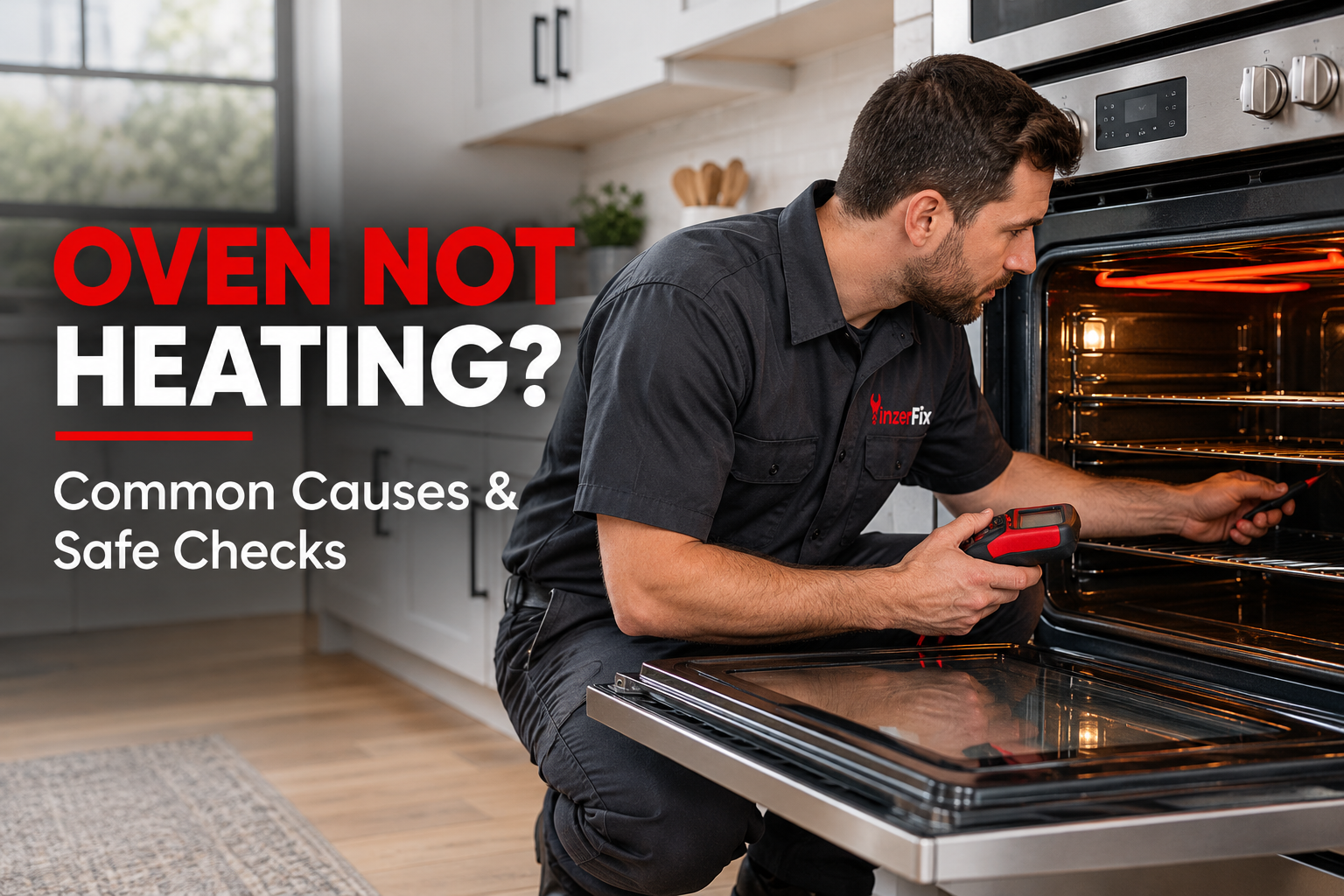
When your oven stops heating, dinner plans stall fast. Finding the Best Residential Oven Repair starts with knowing what is actually failing, so you can describe the problem clearly and avoid paying for the wrong fix. Here are the most common reasons an oven runs cold, what you can safely check yourself, and when it is time to call a professional.
Gas or Electric? Your Oven Type Changes the Diagnosis
Electric ovens heat through a bake element and a broil element, while gas models depend on an igniter and a safety valve. A burned-out element, a weak igniter, or a bad temperature sensor can each leave you with a cold oven, but the repair and the cost differ for every one of them. Knowing which type you own helps a technician diagnose the problem faster.
Common Reasons an Oven Is Not Heating
Failed Bake Element (Electric Ovens)
If the coil at the bottom of the oven is not glowing red, or you see blisters or breaks in the metal, it has likely burned out. This is one of the most frequent electric oven failures and is often fixed in a single visit.
Weak or Failed Igniter (Gas Ovens)
A gas igniter must draw enough current to open the gas valve. With age, it can glow orange yet never trigger the burner, so the oven clicks, warms slightly, and never reaches temperature.
Faulty Temperature Sensor
The sensor tells the control board when to heat. If it drifts out of range, the oven may preheat slowly, overshoot, or not turn on at all.
Control Board or Thermostat Failure
An unresponsive display, error codes, or temperatures far from the set point often point to an electronic fault rather than a heating part.
Breaker and Wiring Problems
Many electric ranges use a 240-volt double-pole breaker. If only half of it trips, the cooktop may still work while the oven stays cold.
Worn Door Gasket
A cracked or loose door seal lets heat escape, which means longer cook times and uneven baking.
Warning Signs Your Oven Needs Attention
Preheating takes much longer than it used to
Uneven browning or cold spots on the rack
A gas oven that clicks but never lights
Error codes or a blank display
Visible blisters or damage on the heating element
Temperatures that differ from the set point by 25°F or more
Safe Checks Before You Call a Technician
Start with the basics. Confirm the breaker has not tripped, make sure the control lock or sabbath mode is off, and try both bake and broil. If broil works but bake does not, the bake element is a prime suspect. An inexpensive oven thermometer will also show whether the oven is truly off from its setting.
Safety first: if you smell gas, leave the home immediately and call 911 and your gas utility. Never open wiring panels or touch elements while the oven is powered.
Oven still cold? Call YinzerFix at (412) 909-9091 or book your visit online. New customers can ask about our $35 discount.
Why Pittsburgh Kitchens Face Their Own Oven Challenges
Many homes in neighborhoods like Squirrel Hill, Bloomfield, Mt. Lebanon, and the North Side have older gas lines, aging wiring, and ovens that have been working for 15 years or more. Add heavy holiday baking from Thanksgiving through New Year's, and parts like igniters and elements wear out right when you need them most.
Repair or Replace Your Oven?
If your oven is under 10 to 12 years old and the problem is a single part, such as an element, igniter, or sensor, repair usually costs far less than a new range. Replacement makes more sense when you have repeated failures, a failing control board on an older unit, or parts that are hard to find. Always ask for a clear diagnosis and upfront pricing before approving work.
What to Look for in a Reliable Oven Repair Company
Technicians experienced with both gas and electric ovens
Upfront pricing before any work begins
Warranty on parts and labor
Same-day or next-day availability
Strong local reviews from real customers
Browse our residential appliance services to see what we repair.
Conclusion
A cold oven is rarely a mystery once a trained technician tests the element, igniter, and sensor. If you need Home Oven Repair Pittsburgh families can count on, Yinzer Fix Appliance Repair handles every kind of Residential Oven Repair, from gas igniters to electric elements, along with refrigerators, washers, dryers, and more. As a trusted name in Pittsburgh Appliance Repair, our team makes it simple to book an appointment and check your service area. Whether you are comparing options for Appliance Repair Pittsburgh residents recommend, call (412) 909-9091 and get your oven working again.
Frequently Asked Questions
1. Why is my electric oven not heating but the stove top works?
The most common cause is a burned-out bake element, though a faulty sensor, control board, or half-tripped breaker can also cause it.
2. Why does my gas oven click but not heat?
A weak igniter usually cannot draw enough current to open the gas valve, so the burner never lights.
3. Is it safe to use an oven that heats unevenly?
It is generally safe, but uneven heating signals wear that can worsen. Have it checked before it fails completely.
4. How long does an oven repair take?
Many common repairs, such as replacing an element or igniter, can be completed in one visit when parts are on the truck.
5. How often should I have my oven inspected?
If it is more than 8 to 10 years old or heavily used, an annual check can catch small problems early.