
Why Is a Commercial Dryer Drum Turning Slowly or Stopping During a Cycle?
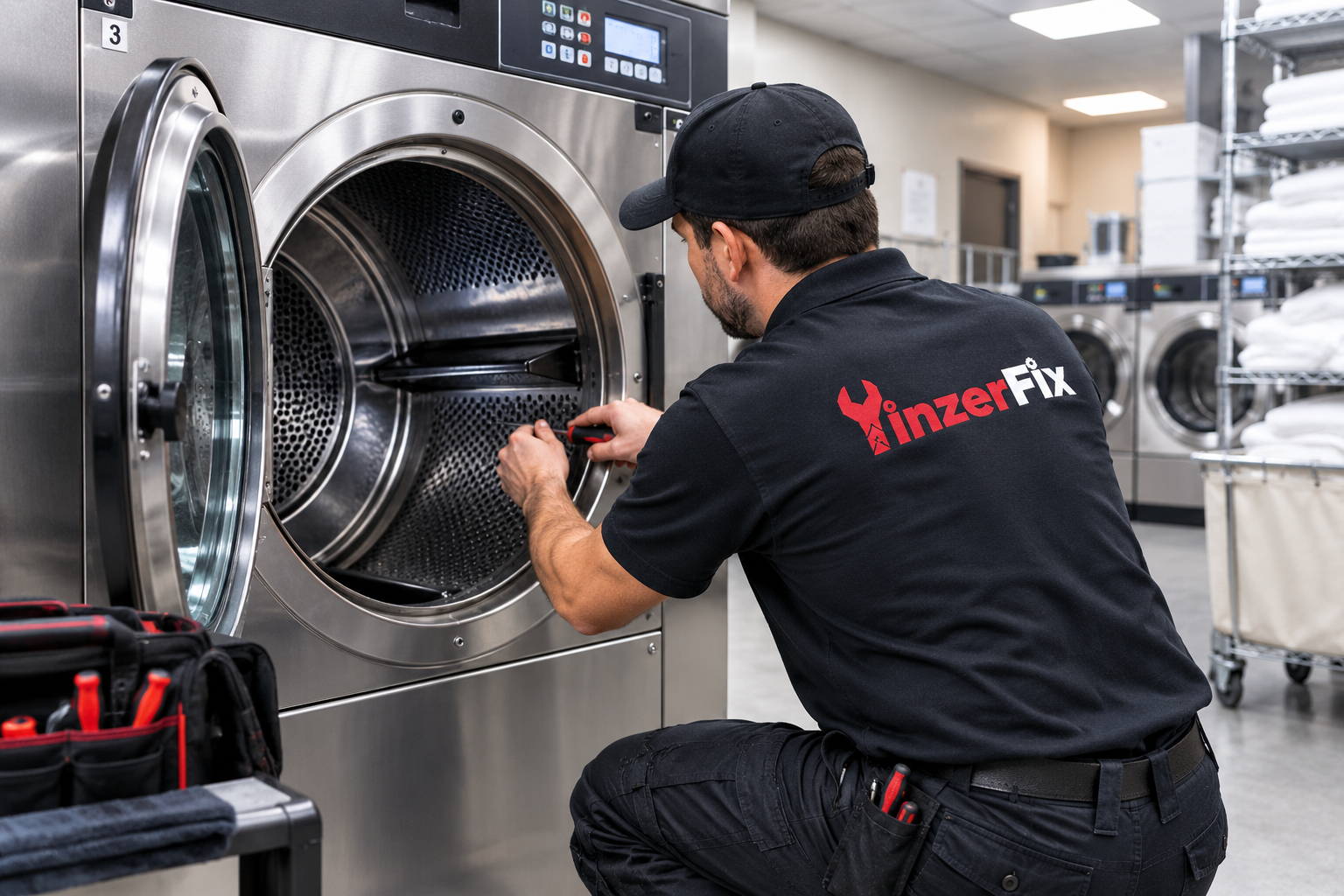
Commercial laundry equipment keeps restaurants, hotels, gyms, and laundromats across Pittsburgh running smoothly, so when a dryer drum starts turning slowly or stalls partway through a cycle, it's more than a small inconvenience. Linens pile up, towels stay damp, and staff lose valuable time working around equipment that should be doing the job on its own. Here's what typically causes this problem and what it means for your business.
How a Slow or Stalling Drum Disrupts Daily Operations
A dryer that struggles to keep the drum turning rarely fixes itself. Café owners, hotel housekeeping teams, and laundromat operators often notice damp loads coming out warm but not fully dry, longer wait times between cycles, and staff having to restart machines manually. Left alone, this small glitch tends to turn into a full breakdown right when your business needs the machine most.
Common Reasons a Commercial Dryer Drum Slows Down
Several mechanical issues can cause a drum to lose speed or stop mid-cycle:
A worn or slipping drive belt that can no longer grip the drum properly
A failing drive motor that loses power under load
Worn rollers or bearings creating friction that slows rotation
A tripped thermal fuse or overheating sensor cutting power mid-cycle
Idler pulley wear reducing tension on the belt system
Overloading the drum beyond its rated capacity
Gas-powered units add another layer, since ignition or airflow problems can trigger safety shutoffs that also stop the drum. Electric models are more likely to show motor or belt wear first, while both types can develop the same bearing and roller issues over time.
Warning Signs Worth Watching For
Drum spins unevenly or hesitates during a cycle
Loud squealing, grinding, or thumping noises
Cycle ends with clothes still damp
Dryer shuts off before the timer finishes
Burning smell or visible belt residue near the drum
If your kitchen, café, or laundromat is seeing any of these signs, it's worth having a technician take a look before the machine stops completely. Call YinzerFix at (412) 909-9091 or book a service visit online to get ahead of the problem instead of scrambling during a busy shift.
Why Pittsburgh Businesses Shouldn't Wait to Get It Checked
Restaurants, cafés, bars, hotels, and commercial kitchens throughout Pittsburgh depend on dryers running multiple loads a day, often back-to-back with little downtime built in. A drum that's already struggling under that kind of workload is more likely to fail outright, and an unplanned outage means backed-up laundry, unhappy staff, and lost time you can't easily make up. Routine motor and belt inspections through a commercial dryer repair service can catch wear before it turns into a shutdown.
When to Call a Professional
If cleaning the lint trap and checking the load size doesn't solve the problem, it's time for a professional diagnosis. Belts, motors, and rollers wear out from regular commercial use, and replacing them correctly takes the right parts and experience with industrial-grade equipment. Our team works on commercial laundry equipment throughout Pittsburgh, including dryers used in hotels, restaurants, and laundromats, so we know how to get a machine back into rotation quickly.
Conclusion
A dryer drum that turns slowly or stops mid-cycle is usually a sign of a specific mechanical issue, not something to wait out. Catching a worn belt, motor, or roller early keeps your laundry schedule on track and avoids a full breakdown later. If your equipment is showing any of these signs, reach out for Commercial Dryer Repair before it affects your next shift.
Frequently Asked Questions
1. Why does my commercial dryer drum turn slower than usual?
This is usually caused by a worn drive belt, weakening motor, or worn rollers that create friction and reduce rotation speed.
2. Can overloading a commercial dryer cause the drum to stop?
Yes. Loads beyond the machine's rated capacity put extra strain on the motor and belt, which can cause the drum to slow or stall.
3. Is a slow-turning drum dangerous to keep using?
It can be. Continuing to run a struggling motor or worn belt increases the risk of overheating or a sudden full breakdown.
4. How often should commercial dryers be inspected?
Businesses running multiple loads daily, such as restaurants and laundromats, typically benefit from inspections every few months.
5. Do gas and electric commercial dryers have different drum issues?
Gas dryers can shut down from ignition or airflow safety switches, while electric models more often show motor or belt-related slowdowns first.
Tags :
- Dryer Repair Pittsburgh
- Commercial Dryer Repair Service
- commercial dryer drum problems
- industrial dryer repair
- laundromat dryer repair Pittsburgh
- commercial laundry equipment repair
- dryer belt replacement
- dryer motor repair
- commercial dryer maintenance
- Commercial Dryer Repair
- why is my commercial dryer drum turning slowly
- commercial dryer stops mid cycle
- how to fix a slow turning dryer drum
- signs your commercial dryer needs repair
- commercial dryer repair for restaurants and hotels in Pittsburgh
- why is my commercial dryer drum turning so slowly
- why does my commercial dryer keep stopping mid cycle
- why is my industrial dryer not tumbling properly
- what causes a commercial dryer to stop before the cycle ends
- why are my clothes still damp after a full dry cycle
- commercial dryer drum barely turning
- commercial dryer stops halfway through drying
- commercial dryer repair near me Pittsburgh
- same day commercial dryer repair Pittsburgh
- commercial dryer motor repair service
- restaurant dryer repair Pittsburgh
- hotel laundry dryer repair Pittsburgh
- emergency commercial dryer repair Pittsburgh
- how often should commercial dryers be serviced
- signs a commercial dryer needs repair