
Why Commercial Microwaves Wear Out Faster in Busy Restaurant Kitchens
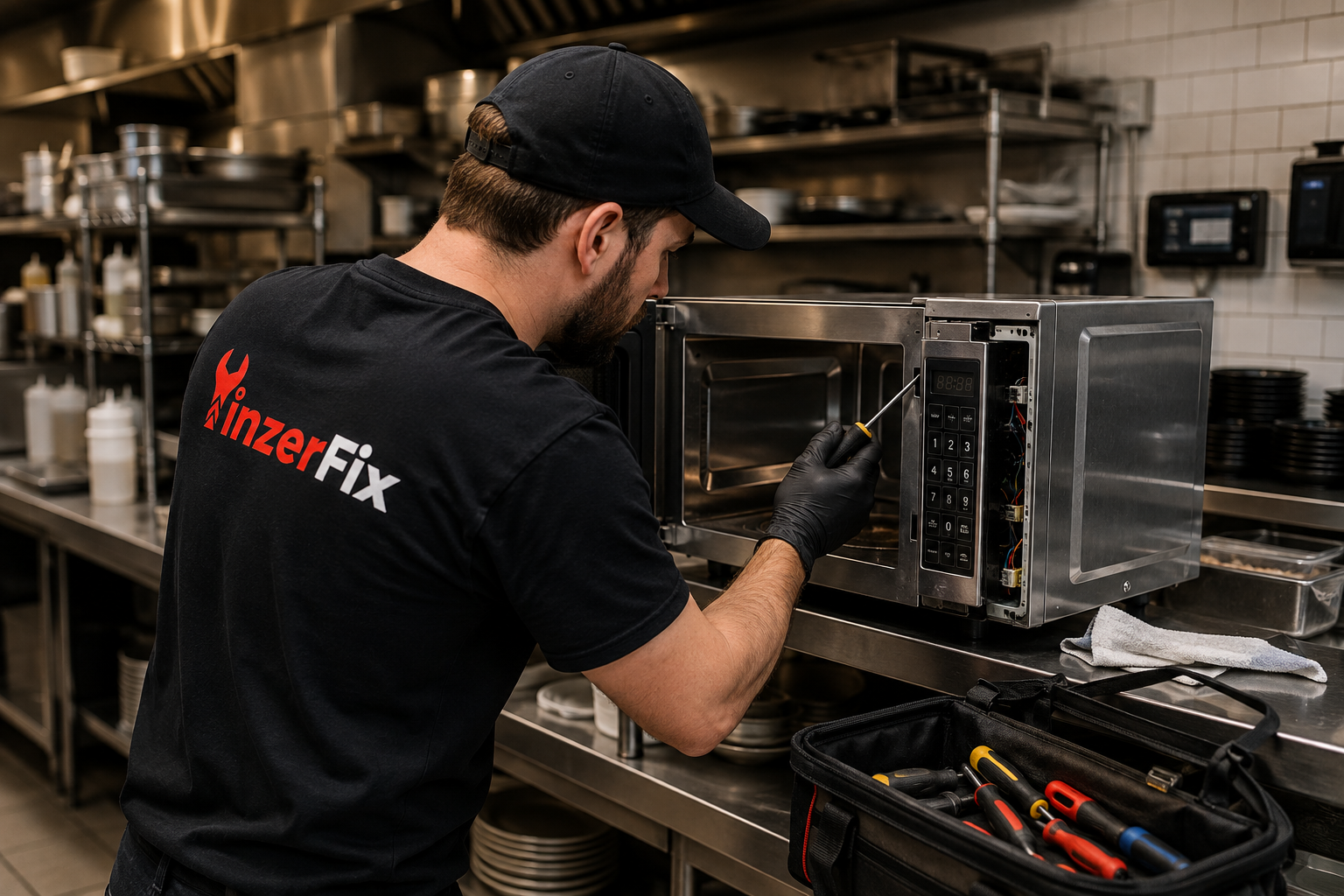
Walk into any diner, café, or bar kitchen in Pittsburgh during a lunch rush, and you'll likely see the microwave running almost nonstop — reheating soups, melting cheese, warming sauces, and speeding up prep between tickets. That constant use adds up fast. Unlike a microwave at home that might run a few minutes a day, a restaurant unit can log hours of daily operation, and that difference in workload is exactly why commercial microwaves break down sooner than most owners expect. If your unit has started acting up, a Microwave Repair Service Pittsburgh kitchens already trust can usually get it back in service before it slows down your line.
How Kitchen Volume Speeds Up Wear and Tear
A home microwave might cycle on and off a handful of times a day. A restaurant microwave, on the other hand, can run continuously through breakfast, lunch, and dinner service. That kind of repeated heating and cooling stresses internal components — the magnetron, transformer, door switches, and control board all take on far more cycles than they were built to handle in a household setting. Over months of heavy use, this constant strain is what pushes commercial units toward breakdowns long before a home appliance would show similar wear.
Common Culprits Behind Early Microwave Failures
Several factors specific to commercial kitchens accelerate the aging process:
Grease and food buildup inside the cavity and vents, which traps heat and strains the fan motor
Magnetron fatigue from extended run times, leading to weak or uneven heating
Door seal and latch wear from constant opening and closing during peak hours
Voltage fluctuations in kitchens running multiple high-draw appliances at once
Overloaded circuits shared with fryers, ovens, or walk-in coolers
Skipped cleaning schedules during rushes, allowing debris to reach sensitive electrical parts
Staff turnover, which often means less consistent care and handling of equipment
Any one of these on its own is manageable. Combined, and repeated day after day, they shorten the working life of even a well-built commercial unit.
Signs Your Unit Needs Professional Attention
Catching problems early usually means a simpler, less expensive fix. Watch for:
Food heating unevenly or taking noticeably longer
Unusual buzzing, grinding, or rattling sounds during operation
Sparking or visible arcing inside the cavity
A door that won't latch securely or a unit that shuts off mid-cycle
Burnt or scorched smells even after cleaning
Display errors or a control panel that doesn't respond consistently
If your team is adjusting cook times just to compensate, that's usually a sign the equipment is already struggling — not a quirk to work around.
Practical Maintenance Advice for Restaurant Kitchens
Commercial microwaves, like gas ranges, electric griddles, and induction cooktops, each have their own wear patterns, but a few habits help extend the life of almost any piece of heavy-duty kitchen equipment:
Wipe down the interior cavity daily to prevent grease from baking onto surfaces
Check door seals weekly for gaps, warping, or debris that prevents a tight close
Avoid running the unit empty or with metal cookware, which stresses the magnetron
Have outlets and circuits checked periodically, especially in older Pittsburgh buildings where wiring may not match current kitchen loads
Keep vents and fan intakes clear of grease buildup to prevent overheating
Log recurring issues so a technician can spot patterns instead of treating each visit as an isolated problem
Small, consistent habits like these go a long way toward preventing the kind of sudden failure that shuts down a line during service.
Why This Matters More for Pittsburgh's Restaurant Scene
Pittsburgh's food and beverage businesses — from Strip District cafés to South Side bars and neighborhood family restaurants — depend on fast turnaround during peak hours. A microwave that's underperforming doesn't just slow down one station; it backs up the whole kitchen. Restaurants, catering kitchens, coffee shops, and bars across the city all put similar demands on their equipment, which is why routine inspection matters just as much as reacting to a breakdown. Don't wait for a busy Friday night to find out your unit can't keep up — call (412) 909-9091 or book a service visit online as soon as you notice a change in performance.
When to Call In a Professional
Cleaning and basic upkeep solve a lot of minor issues, but some problems — a failing magnetron, damaged door interlocks, or electrical faults — require a trained technician with the right parts and diagnostic tools. Attempting to open a commercial microwave without proper training can be dangerous, since these units store high-voltage charge even when unplugged. Working with a provider that also handles broader commercial kitchen appliance repair makes it easier to keep every piece of equipment on a consistent maintenance schedule, rather than calling around to different specialists every time something goes wrong.
Conclusion
Commercial microwaves work harder than almost any other piece of restaurant equipment, and that constant demand is exactly why they wear out faster than most owners expect. Recognizing the early warning signs, sticking to a simple maintenance routine, and calling for professional Commercial Microwave Repair before a small issue becomes a full breakdown will keep your kitchen running smoothly through every rush. When your unit needs attention, YinzerFix Appliance Repair offers dependable Commercial Microwave Service for restaurants, cafés, bars, and commercial kitchens across Pittsburgh.
Frequently Asked Questions
1. How long do commercial microwaves typically last in a restaurant?
With regular maintenance, most commercial units last several years, but heavy daily use can shorten that lifespan if cleaning and repairs are delayed.
2. Can a commercial microwave be repaired, or does it need replacement?
Many issues — including magnetron failure, door switch problems, and control board faults — can be repaired. Replacement is usually only necessary when damage is extensive or the unit is well past its expected service life.
3. Why does my restaurant microwave heat food unevenly?
Uneven heating is often caused by a weakening magnetron, a damaged turntable motor, or grease buildup interfering with airflow inside the cavity.
4. Is it safe to clean a commercial microwave myself?
Routine exterior and interior cleaning is safe for staff to handle. Internal repairs should always be left to a trained technician due to the high-voltage components inside.
5. How often should a commercial microwave be professionally serviced?
Most busy kitchens benefit from an inspection at least twice a year, though high-volume restaurants may need more frequent checkups.
Tags :
- Microwave Repair Service Pittsburgh
- Commercial Microwave Repair
- Commercial Microwave Service
- Restaurant Microwave Repair
- Commercial Kitchen Equipment Repair Pittsburgh
- Magnetron Replacement
- Heavy-Duty Microwave Maintenance
- commercial microwave not heating food properly Pittsburgh
- how long do commercial microwaves last in restaurants