
When Should Restaurants Schedule Commercial Stove Inspections?
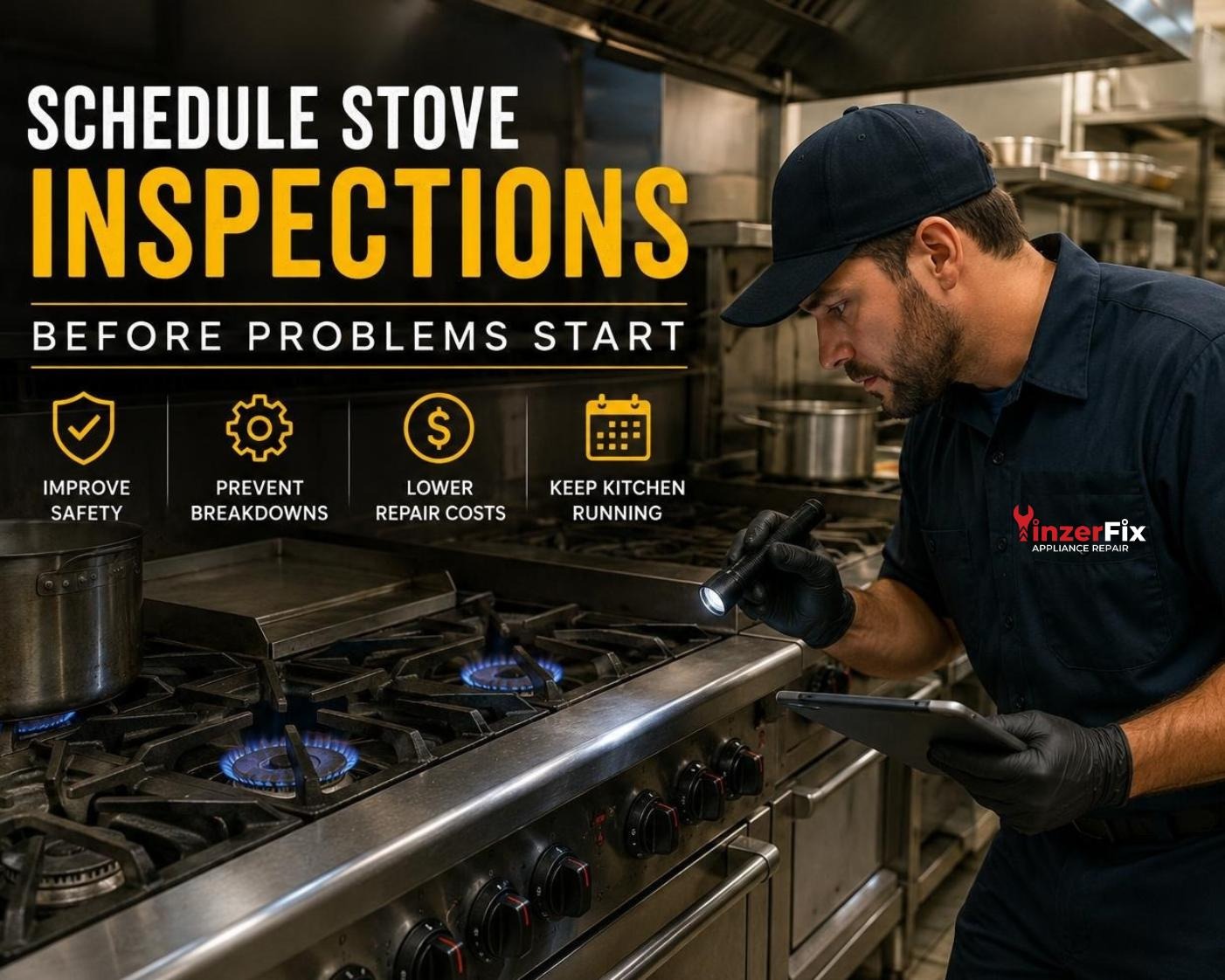
Commercial stoves are the backbone of every restaurant kitchen. Whether you own a café, diner, catering business, or full-service restaurant, your stove works hard every day to keep orders moving. Over time, constant use can lead to wear and tear, reducing efficiency and increasing the risk of unexpected breakdowns. That's why scheduling routine inspections and investing in Commercial Stove Repair Services is essential for keeping your kitchen operating safely and efficiently.
For restaurant owners in Pittsburgh, preventive inspections help minimize downtime, improve equipment performance, and avoid costly emergency repairs. Here's when your restaurant should schedule commercial stove inspections and why they matter.
Why Regular Commercial Stove Inspections Are Important
Routine inspections help detect small problems before they become expensive repairs. During a professional inspection, technicians evaluate burners, ignition systems, gas connections, electrical components, and temperature controls to ensure everything is functioning correctly.
Benefits of regular inspections include:
Reduce unexpected equipment failures
Improve kitchen safety
Maintain consistent cooking temperatures
Extend the lifespan of your stove
Lower long-term repair costs
Improve energy efficiency
Support smooth restaurant operations
Scheduling Reliable Stove Repair Services before problems occur is one of the best ways to protect your investment.
How Often Should Restaurants Schedule Commercial Stove Inspections?
The right inspection schedule depends on how often your kitchen operates.
Monthly Visual Inspections
Restaurant staff should inspect commercial stoves every month by checking for:
Uneven burner flames
Slow ignition
Loose knobs or controls
Grease buildup
Gas odors
Visible damage
These quick inspections can identify early warning signs that require Commercial Stove Repairs.
Professional Inspections Every Six Months
Restaurants should schedule a professional inspection at least twice a year. A trained technician will inspect:
Gas lines
Burner performance
Ignition systems
Thermostats
Electrical wiring
Safety valves
Internal components
Professional inspections help prevent unexpected breakdowns and improve appliance reliability.
Before Peak Business Seasons
Busy seasons place additional strain on commercial kitchen equipment. Schedule inspections before:
Holiday dining seasons
Summer events
Catering seasons
Local Pittsburgh festivals
Major sporting events
Preparing your equipment in advance helps reduce the risk of service interruptions during your busiest periods.
Signs Your Restaurant Stove Needs Immediate Repair
Don't wait for your next scheduled inspection if you notice these issues:
Burners heat unevenly
Ignition delays
Pilot light won't stay lit
Gas smell near the stove
Unusual noises
Temperature inconsistencies
Increased energy bills
Burners won't ignite
Visible wear or damaged components
These warning signs often indicate the need for immediate Restaurant Stove Repair to prevent further damage.
Benefits of Professional Commercial Stove Repair Services
Investing in preventive maintenance offers several long-term advantages.
Improved Kitchen Safety
Routine inspections help identify gas leaks, faulty wiring, and worn safety components before they create hazardous conditions.
Reduced Downtime
Unexpected stove failures can delay food preparation and negatively impact customer service. Preventive maintenance keeps your kitchen running smoothly.
Lower Repair Costs
Minor repairs are much less expensive than replacing major components after a complete equipment failure.
Better Cooking Performance
Properly maintained burners provide even heating, helping chefs prepare food consistently and improve customer satisfaction.
Longer Equipment Lifespan
Regular inspections and maintenance reduce wear on essential components, helping your commercial stove last for many years.
What Happens During a Commercial Stove Inspection?
Professional technicians perform a detailed inspection that typically includes:
Checking gas lines for leaks
Testing burner efficiency
Inspecting ignition systems
Verifying thermostat accuracy
Examining electrical connections
Cleaning accessible internal components
Tightening loose fittings
Identifying worn parts before failure
These inspections ensure your stove operates safely and efficiently throughout the year.
Why Pittsburgh Restaurants Should Prioritize Preventive Maintenance
Restaurants across Pittsburgh depend on reliable kitchen equipment to serve customers efficiently. Delaying inspections can result in emergency repairs, lost revenue, and unnecessary downtime. Working with experienced technicians who provide Commercial Stove Repair Services ensures your equipment receives the care it needs. Whether you operate a neighborhood café or a high-volume commercial kitchen, routine inspections help maintain productivity, improve safety, and reduce operating costs.
Conclusion
Knowing when to schedule commercial stove inspections is essential for every restaurant owner. Monthly visual checks, professional inspections every six months, and preventive maintenance before busy seasons can help avoid costly breakdowns and improve kitchen performance. If you're looking for dependable Commercial Stove Repair Services in Pittsburgh, regular inspections are a smart investment. Keeping your commercial stove in top condition allows your restaurant to operate efficiently, serve customers without interruption, and extend the life of your valuable kitchen equipment.
Frequently Asked Questions
1. How often should a commercial stove be professionally inspected?
Most restaurants should schedule a professional commercial stove inspection every six months. High-volume kitchens may require more frequent inspections.
2. What are the signs that my commercial stove needs repair?
Common signs include uneven heating, ignition problems, gas odors, fluctuating temperatures, burner issues, unusual noises, and increased energy bills.
3. Why are Commercial Stove Repair Services important?
Commercial Stove Repair Services help prevent unexpected breakdowns, improve kitchen safety, extend equipment lifespan, reduce repair costs, and keep restaurant operations running efficiently.
4. What is included in a commercial stove inspection?
A professional inspection includes checking gas lines, burners, ignition systems, thermostats, electrical connections, safety controls, and overall equipment performance.
5. Why should Pittsburgh restaurants schedule regular commercial stove inspections?
Routine inspections help Pittsburgh restaurants reduce downtime, improve cooking performance, increase energy efficiency, maintain safety standards, and avoid costly emergency repairs.