
Walk-In or Prep Fridge Acting Up? How to Tell the Difference
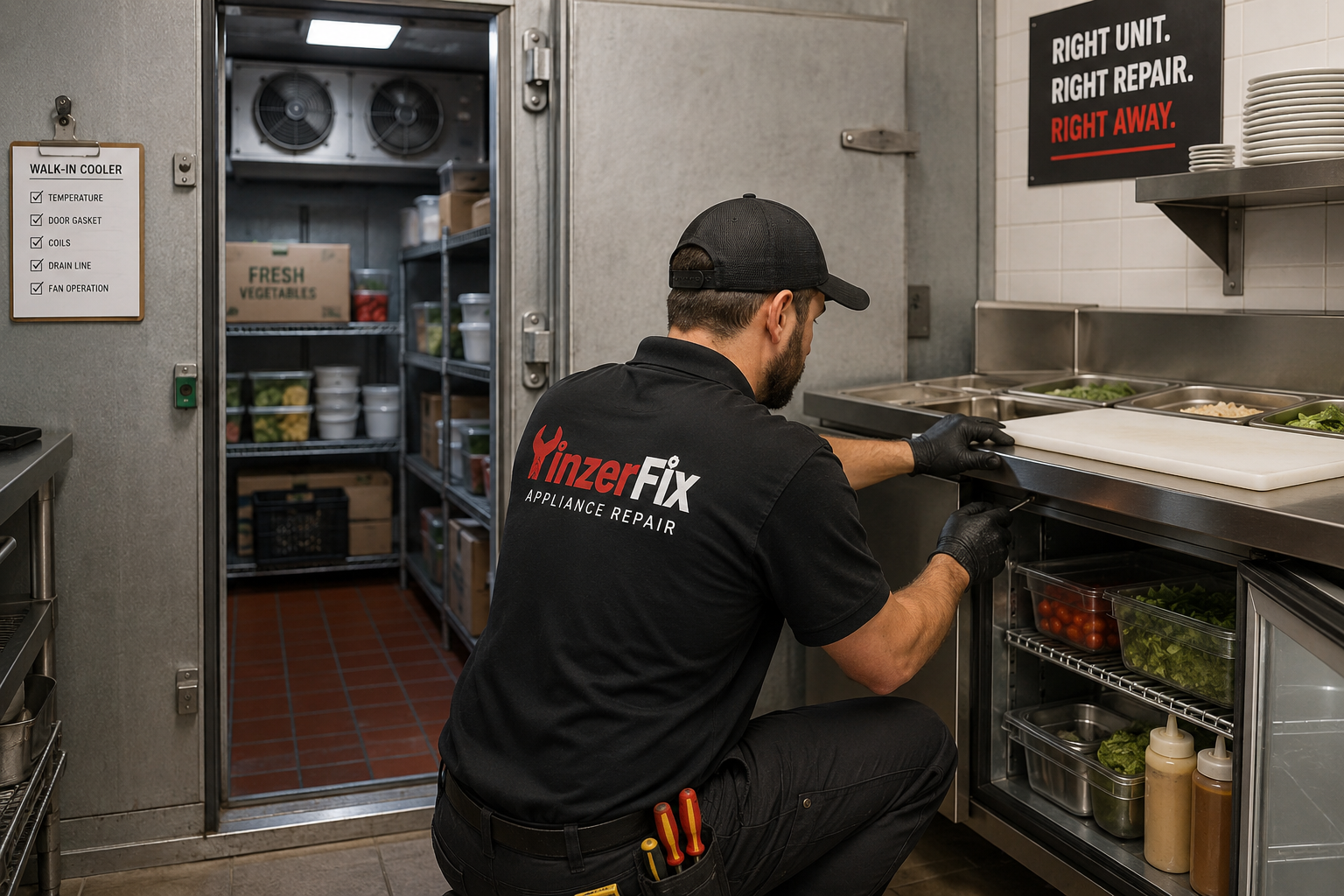
If the temperature in your kitchen's refrigeration isn't holding steady, it's not always obvious which unit is to blame. A struggling walk-in cooler and a warming prep fridge can show similar symptoms — but the causes, urgency, and repair approach are often very different. For restaurants, cafés, bars, and commercial kitchens across Pittsburgh, knowing the difference can mean the gap between a quick fix and a full-blown food safety emergency.
Why This Distinction Matters for Your Kitchen
A walk-in cooler typically stores bulk inventory, while a prep fridge (or reach-in unit) holds ingredients staff use throughout service. When either one drifts out of range, it puts food cost, health inspections, and service speed at risk. Reliable Commercial Walk in Cooler Repair targets larger-scale components like compressors and evaporator coils, while prep fridge issues often trace back to door seals, condenser fans, or thermostat calibration. Misdiagnosing the problem can lead to repeat service calls and wasted downtime.
Signs Your Walk-In Cooler Needs Attention
Walk-in units cool a much larger, insulated space, so problems tend to build gradually before becoming obvious. Watch for:
Warm spots near the back wall or ceiling of the unit
Ice buildup on evaporator coils or the ceiling panel
Condenser unit running constantly without cycling off
Water pooling on the floor near the drain line
Door gaskets that no longer seal tightly
Longer recovery time after the door is opened repeatedly
If you're noticing several of these at once, it's usually time for professional Walk in Cooler Repair rather than another DIY temperature check.
Signs Your Prep Fridge Is the Real Problem
Prep fridges and reach-in coolers work harder because they're opened constantly during service. Typical warning signs include:
Inconsistent temperatures between the top and bottom shelves
Condensation building up inside the cabinet
Fan motor noise or a unit that runs louder than usual
Ingredients spoiling faster than expected
Digital display showing temperature swings throughout the shift
Because prep units hold ingredients staff use all day, even a small drift out of the safe zone can spoil product fast — this is often where restaurants lose money without realizing it.
Common Causes Behind Both Units
Whether it's a walk-in or a prep fridge, several underlying issues show up again and again in Pittsburgh kitchens:
Dirty condenser coils – dust and grease buildup reduce heat exchange efficiency
Failing door gaskets – warm air seeps in, forcing the compressor to overwork
Low refrigerant levels – often caused by a slow leak that worsens over time
Faulty thermostats or control boards – cause inaccurate readings and erratic cycling
Clogged drain lines – lead to ice buildup, water pooling, and reduced airflow
Worn evaporator fan motors – reduce airflow across coils, causing uneven cooling
Routine maintenance — coil cleaning, gasket checks, and drain line flushing — catches most of these before they cause a shutdown. If your equipment is already showing symptoms, don't wait until a busy Friday night rush to find out it's serious. Call YinzerFix at (412) 909-9091 or book a service visit online and we'll get a technician out quickly.
Why Pittsburgh Businesses Trust Local Refrigeration Experts
From downtown restaurants to neighborhood cafés, bars, and catering kitchens, every commercial refrigeration setup has its own quirks depending on age, brand, and usage patterns. A technician familiar with Commercial Refrigeration Repair in Pittsburgh businesses depend on can diagnose the actual root cause instead of guessing — saving you money on parts you don't need and getting your kitchen back to full capacity faster. Our team also handles broader commercial kitchen equipment repair for restaurants that want one trusted provider for all their refrigeration and cooking equipment.
When to Call a Professional
If your walk-in or prep fridge shows more than one or two of the warning signs above, it's worth scheduling an inspection before it fails completely. A unit that's cooling inconsistently is usually still repairable — a unit that's stopped cooling altogether often means lost inventory and an emergency call. Either way, catching the issue early keeps repair costs down and protects your food safety compliance.
Conclusion
Telling a struggling walk-in cooler apart from a failing prep fridge comes down to watching for the right signs — temperature consistency, airflow, gasket condition, and how the compressor cycles. Pittsburgh restaurants, cafés, and bars that stay ahead of these issues avoid costly downtime and last-minute equipment failures. If either unit in your kitchen is acting up, professional Commercial Walk in Cooler Repair and reach-in service from YinzerFix Appliance Repair can restore reliable performance before it affects your business.
Frequently Asked Questions
1. Can a walk-in cooler and prep fridge share the same underlying problem? Yes. Dirty condenser coils, refrigerant leaks, and worn gaskets commonly affect both types of units, though the repair steps differ by equipment size and layout.
2. How quickly should a warm walk-in cooler be repaired? As soon as possible. A walk-in holds bulk inventory, so even a short delay can put a large amount of product at risk.
3. Why does my prep fridge run colder on one side than the other? This usually points to blocked airflow, a failing evaporator fan, or overpacked shelving restricting circulation.
4. Is it normal for a walk-in cooler's compressor to run constantly? No. A compressor that never cycles off often signals low refrigerant, a dirty condenser, or a failing door seal.
5. How often should commercial refrigeration units be inspected? Most Pittsburgh kitchens benefit from professional inspections at least twice a year, plus routine in-house coil and gasket checks.