
Trash Compactor Won't Compact Properly? Common Causes and Fixes
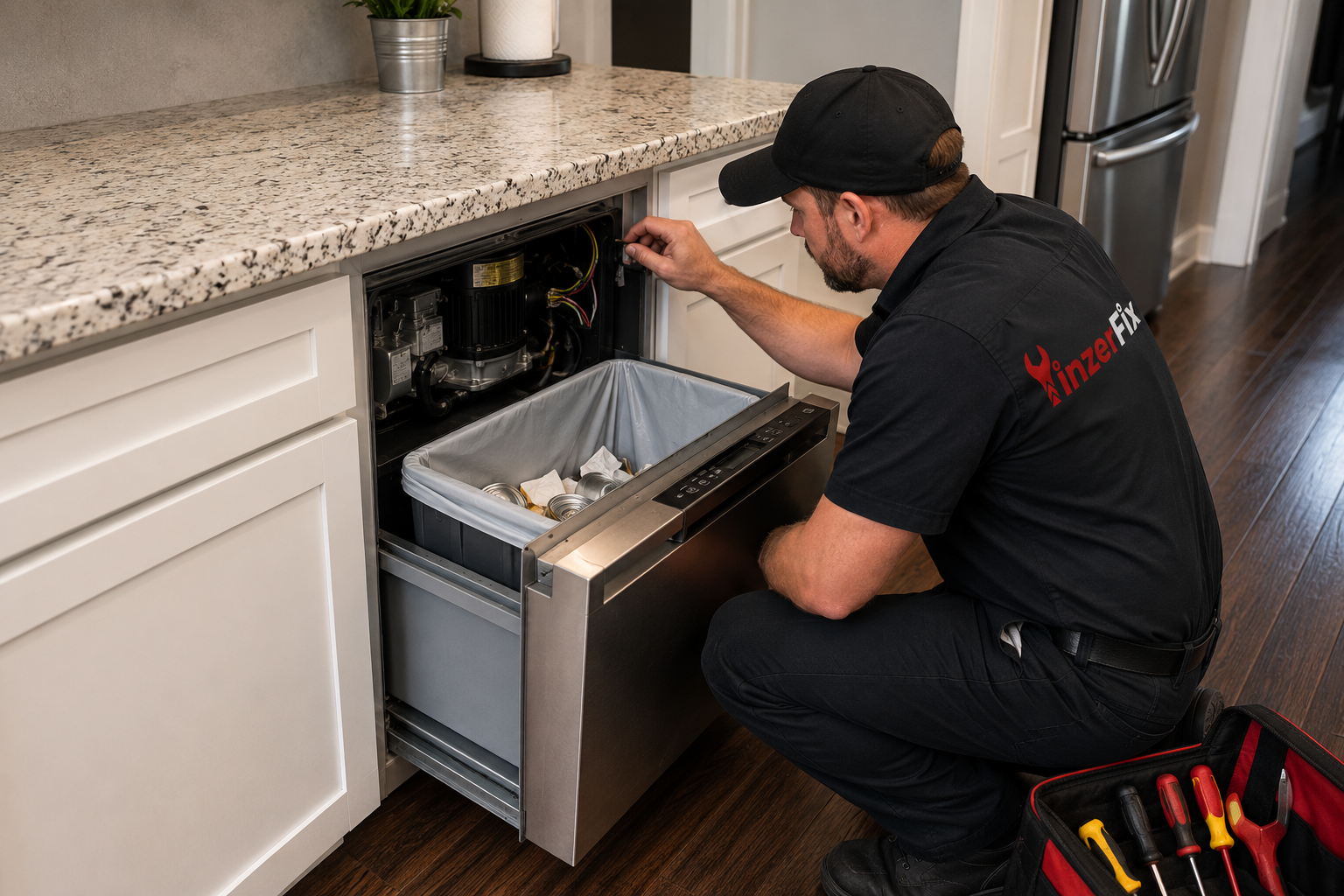
A trash compactor is supposed to make life easier, crushing household waste down to a fraction of its size so you're not hauling bags out to the curb every other day. But when the ram stops pressing all the way down or the bag comes out barely flattened, that convenience disappears fast. If you've noticed your unit struggling lately, you're not alone. Here's what typically causes the problem and when it's time to call in a residential trash compactor repair technician.
Why Your Compactor Suddenly Stops Compacting Well
Most homeowners don't think about their compactor until it lets them down. A drawer that used to pack down a week's worth of trash is now leaving loose cans and boxes barely touched. This usually points to a mechanical or electrical issue rather than simple overuse, and catching it early can save you from a full breakdown later.
Common Causes Behind Weak or Failed Compaction
Worn or slipping drive belt – reduces the force the ram can apply
Failing compaction motor – struggles to generate enough pressure
Faulty limit or safety switch – prevents the ram from completing its full stroke
Jammed or bent ram – obstructed by trapped debris or misalignment
Broken drawer interlock – stops the cycle from running correctly
Worn ram guide rails – cause uneven pressure across the bag
Electrical control board issues – disrupt the compaction cycle timing
Warning Signs You Shouldn't Ignore
Trash barely flattens after a full cycle
Compactor stalls or shuts off mid-cycle
Grinding, squealing, or unusual motor noise
Drawer is difficult to open or close
Ram moves slower than normal or not at all
Foul odors from trapped, uncompacted waste
If any of these sound familiar, it's worth scheduling a repair trash compactor visit before the unit stops working entirely.
A Quick Note for Pittsburgh Homeowners
Between Squirrel Hill row houses, South Side apartments, and larger family homes out in the suburbs, kitchen setups across Pittsburgh vary widely — and so does compactor wear. Cold Pittsburgh winters can also stiffen belts and lubricants, making sluggish compaction more common this time of year. Need it looked at this week? Call (412) 909-9091 and we'll get a technician out to diagnose the issue before a small fix turns into a full replacement.
Repair or Replace? What to Consider
Not every issue means buying a new unit. A slipping belt, worn switch, or clogged ram is usually a straightforward, affordable fix. Replacement typically only makes sense when the motor has failed on an older unit or repair costs approach the price of a new compactor. A trained technician can walk you through the real cost comparison instead of guessing.
Simple Maintenance That Helps Prevent Problems
Empty the compactor before it's completely full
Wipe down the ram and guide rails periodically
Avoid compacting glass, liquids, or hazardous materials
Check the drawer seal and interlock for wear
Schedule an annual inspection to catch issues early
Conclusion
A trash compactor that won't compact properly is usually trying to tell you something before it fails completely. Whether it's a worn belt, a stuck ram, or a failing motor, professional Trash Compactor Repair Pittsburgh homeowners rely on can restore full performance and extend the life of your unit. Book a diagnostic appointment today, or explore our full residential appliance repair services to keep every appliance in your kitchen running smoothly.
Frequently Asked Questions
1. Why is my trash compactor not compacting trash all the way down? This is usually caused by a worn drive belt, weak motor, or an obstruction preventing the ram from completing its full stroke.
2. Is a slow-moving ram a sign of a bigger problem? It can be. A slow ram often points to motor wear or belt slippage, both of which get worse if left unaddressed.
3. Can I fix a jammed trash compactor myself? Clearing visible debris is safe to try, but internal repairs involving the motor, switches, or ram assembly should be handled by a professional.
4. How often should a trash compactor be serviced? Most residential units benefit from a professional inspection once a year, or sooner if you notice reduced performance.
5. Does YinzerFix offer same-day trash compactor repair in Pittsburgh? Yes, same-day and next-day appointments are available for most Pittsburgh-area homes. Call (412) 909-9091 to check availability.