
Top Ice Maker Problems Homeowners Face in Pittsburgh (And Easy Solutions)
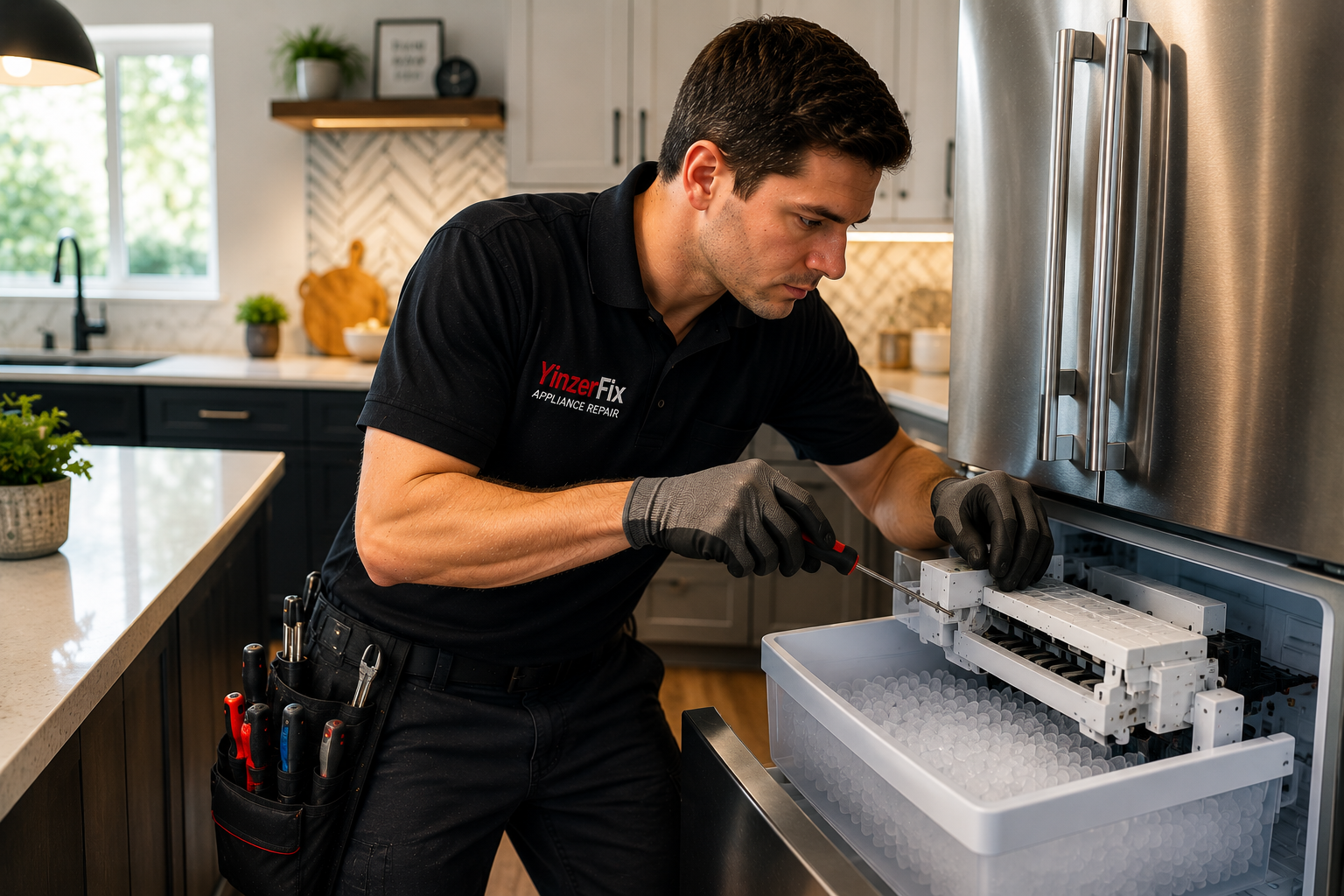
Ice maker problems are common in many Pittsburgh homes, especially during seasonal weather changes and heavy appliance use throughout the year. What starts as slow ice production or unusual noises can quickly turn into leaks, frozen components, or a complete loss of ice production if the issue is ignored.
Homeowners searching for dependable appliance repair services in Pittsburgh often discover that early diagnosis can help prevent more expensive refrigerator repairs later. In many cases, small maintenance issues are responsible for the problem. Other times, worn components or cooling system failures require professional repair.
At YinzerFix Appliance Repair, we help homeowners throughout Pittsburgh diagnose and repair common ice maker problems before they turn into larger appliance issues.
Ice Maker Not Producing Ice
One of the most common issues homeowners experience is an ice maker that suddenly stops producing ice.
This problem is often caused by:
Clogged water filters
Blocked supply lines
Incorrect freezer temperatures
Faulty inlet valves
Before scheduling repair service, homeowners can try:
Checking freezer settings
Replacing the water filter
Restarting the ice maker
If the problem continues, professional repair may be needed. Homeowners dealing with an ice maker not working issue should address the problem early before additional refrigerator components become affected.
Water Dispenser Works but Ice Maker Does Not
Some homeowners notice that the refrigerator water dispenser works normally while the ice maker stops producing ice.
This usually indicates a problem with:
The ice maker control module
Ejector assembly
Internal sensors
Resetting the unit may help temporarily, but repeated failures often require professional repair.
Ice Maker Leaking Water
Water leaks should never be ignored because they can eventually damage flooring or nearby cabinets.
Leaks are commonly caused by:
Loose water line connections
Damaged tubing
Cracked ice trays
Faulty inlet valves
Fixing leaks early can help prevent larger appliance problems later. Professional refrigerator ice maker repair can help identify hidden leaks and damaged internal components before the problem worsens.
Small or Hollow Ice Cubes
If ice cubes become unusually small or hollow, restricted water flow is often the cause.
This may happen because of:
Clogged filters
Low water pressure
Partially blocked supply lines
Replacing the water filter is often the simplest solution.
Ice Maker Freezing Up
Sometimes the ice maker itself freezes internally and stops working completely.
This problem is commonly caused by:
Excessively low freezer temperatures
Airflow problems
Internal ice buildup
Defrosting the unit may help temporarily, but recurring freezing usually requires professional inspection.
Strange Ice Maker Noises
While some operating sounds are normal, loud:
Buzzing
Grinding
Clicking noises
may indicate mechanical problems.
These sounds are often linked to:
Worn motors
Jammed ejector arms
Loose internal parts
Addressing unusual noises early can help avoid more expensive repairs later.
Bad-Smelling or Bad-Tasting Ice
Ice quality problems are often related to:
Dirty water filters
Old standing water
Food odors inside the freezer
Cleaning the ice maker and replacing the filter usually improves taste and odor quickly.
How to Prevent Future Ice Maker Problems
Routine maintenance can help improve ice maker performance and reduce repair issues.
Maintenance Tips
Replace water filters regularly
Keep freezer temperatures stable
Inspect water lines periodically
Clean the ice maker routinely
Avoid blocking freezer airflow
Following regular ice maker maintenance tips can help homeowners improve appliance performance and reduce future breakdowns.
When to Call a Professional Ice Maker Technician
Some problems require expert diagnosis and repair.
You should contact a technician if:
The ice maker repeatedly stops working
Leaks continue returning
Unusual noises become louder
Internal components stop functioning
Troubleshooting does not solve the issue
Fast repairs can help prevent larger refrigerator problems and restore proper operation quickly.
Schedule Ice Maker Repair in Pittsburgh
If your ice maker is leaking, freezing up, or not producing ice properly, YinzerFix Appliance Repair is ready to help. We provide reliable ice maker repair services for homeowners throughout Pittsburgh and surrounding areas. Our experienced technicians diagnose appliance problems quickly and complete dependable repairs using quality replacement parts.
Whether you need help with clogged water lines, faulty valves, frozen components, or electrical issues, our local Pittsburgh team is here to restore your appliance as quickly as possible. Contact us today to schedule ice maker repair service .
FAQs
1. What are the most common ice maker problems in Pittsburgh homes?
Common issues include ice makers not producing ice, water leakage, frozen components, small ice cubes, and unusual noises. These often require residential ice maker repair if basic fixes don’t work.
2. Why is my ice maker not making ice but the water dispenser works?
This usually indicates a problem with the ice maker’s internal components, such as the control module or ejector arm, rather than the water supply.
3. How much does ice maker repair in Pittsburgh cost?
The average cost for ice maker repair in Pittsburgh ranges between $150 and $300, depending on the issue and parts required.
4. Can I fix my ice maker myself at home?
Yes, minor issues like replacing filters, checking water lines, or resetting the unit can be done at home. However, complex problems require professional home ice maker repair.
5. How often should I maintain my ice maker?
You should clean and maintain your ice maker every 3–6 months to ensure proper performance and avoid frequent repairs.
6. Why is my ice maker leaking water?
Leaks are typically caused by damaged water lines, loose connections, or faulty inlet valves. Immediate repair is recommended to prevent further damage.
7. When should I call a professional for ice maker repair?
If your ice maker stops working repeatedly, makes unusual noises, or leaks water, it’s best to call for ice maker repair in Pittsburgh.
8. How long does residential ice maker repair take?
Most repairs are completed within 1–2 hours, depending on the complexity of the issue.