
Thinking About Installing an Over-the-Range Microwave Yourself? Read This First
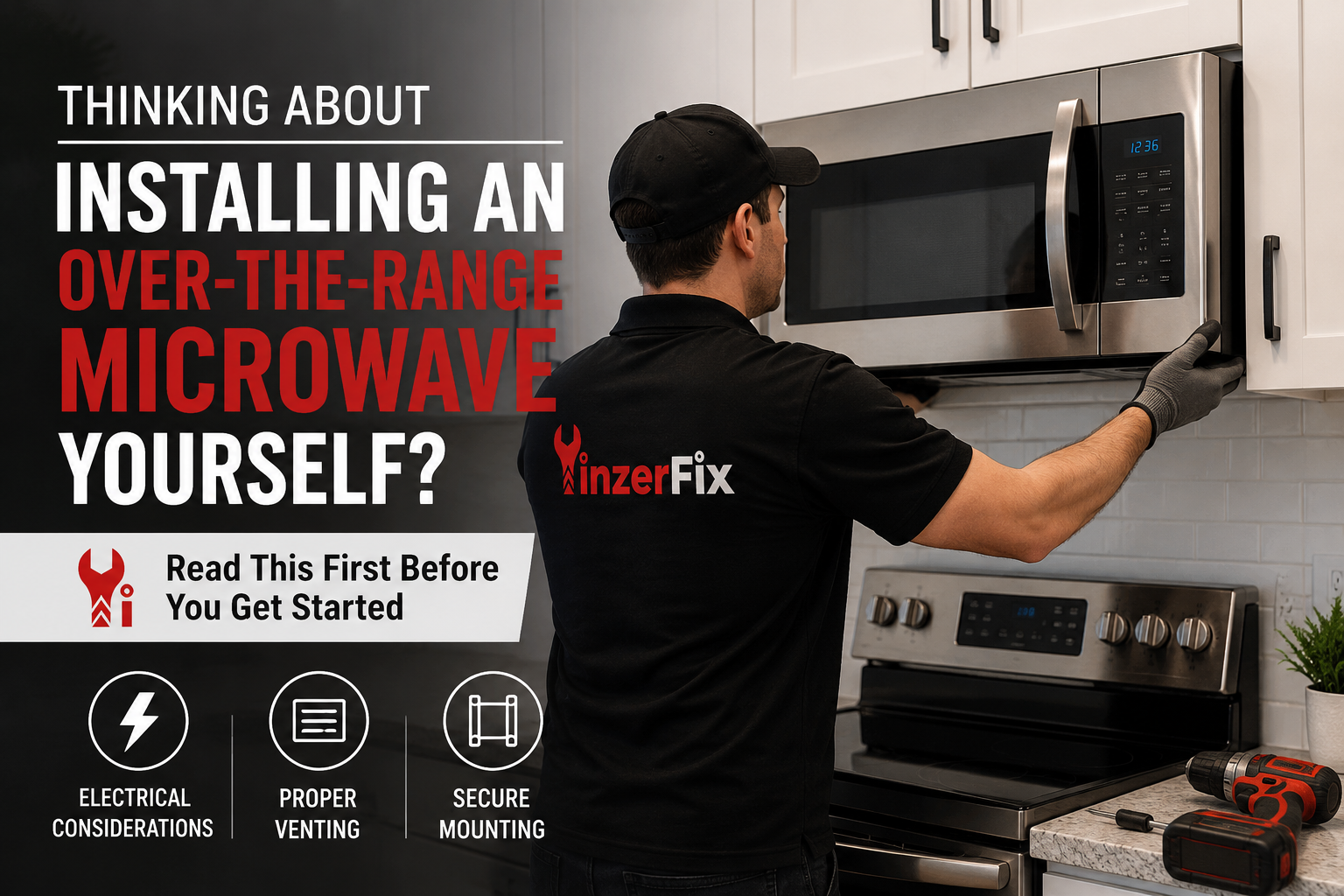
Swapping in a new microwave sounds like a simple weekend project until the old unit is off the wall and you're staring at loose venting, a mismatched mounting bracket, and a junction box that wasn't built for the new model. Over the Range Microwave Installation looks straightforward on paper, but it involves ductwork, electrical connections, and precise weight support that many homeowners underestimate. Before you grab a drill, here's what actually goes into the job and why it trips up so many DIY attempts.
Why Over-the-Range Microwave Installation Is Harder Than It Looks
An over-the-range unit isn't just placed on a shelf — it hangs from the cabinet above your range and often ties into the home's exhaust venting. Getting it level, secured, and properly vented takes more than tightening a few screws. Misalignment can affect airflow, cabinet stability, and even how evenly the microwave heats.
Common DIY Mistakes During Built In Microwave Installation
Homeowners attempting a Built in Microwave Installation or over-the-range swap often run into the same issues:
Mounting bracket not anchored into a wall stud
Venting connected incorrectly, causing poor airflow or grease buildup
Electrical outlet in the wrong position or missing a dedicated circuit
Incorrect clearance between the microwave and cooktop below
Damaged cabinets from improper lifting or drilling
Gaps left around the unit that trap heat and moisture
Any one of these can shorten the appliance's lifespan or create a safety hazard in the kitchen.
What Goes Into Proper Residential Microwave Installation
A safe Residential Microwave Installation typically requires checking the electrical circuit rating, confirming duct compatibility (recirculating vs. externally vented), securing the mounting plate to framing, and making sure weight distribution matches the manufacturer's specs. Every kitchen layout is a little different, especially in Pittsburgh's older homes, where cabinet depth and wiring can vary widely from house to house.
Not sure your kitchen setup is ready for a new microwave? Call YinzerFix Appliance Repair at (412) 909-9091 or book an appointment online before you buy — we can tell you what to look for in minutes.
Why Professional Microwave Mounting and Venting Matters
Correct microwave mounting and venting installation protects your cabinets, keeps kitchen air quality clean, and prevents the appliance from working harder than it needs to. Technicians who handle appliance installation service calls regularly can also spot wiring or venting problems left behind by a previous installation — issues a first-time DIYer would likely miss.
Signs You Should Skip the DIY Route
You're unsure whether your current outlet supports the new unit
Your kitchen uses ducted (not recirculating) ventilation
The new microwave's dimensions differ from the old one
Your cabinets show any existing wear or looseness
You want manufacturer warranty coverage intact
Conclusion
A new microwave is one of the more common home microwave replacement projects, but it's also one where small mistakes cause big problems later. Professional Over the Range Microwave Installation ensures correct venting, secure mounting, and safe electrical connections from day one. If you're upgrading your kitchen appliance in Pittsburgh, schedule a residential microwave installation with YinzerFix Appliance Repair and skip the guesswork.
Frequently Asked Questions
1. Can I install an over-the-range microwave without professional help? It's possible for simple swaps with identical dimensions, but venting and electrical mismatches are easy to miss without experience.
2. Does a new microwave always fit the existing cabinet opening? Not always. Cabinet cutouts and mounting brackets vary by brand and model, so measurements should be confirmed first.
3. Do I need a dedicated electrical circuit for a new microwave? Many over-the-range models require a dedicated circuit, especially higher-wattage units, so checking your panel beforehand is important.
4. What's the difference between vented and recirculating microwaves? Vented units push air outside through ductwork, while recirculating models filter and recycle air back into the kitchen.
5. How long does a typical installation take? Most residential installations are completed within a couple of hours, depending on venting and electrical work required.