
The Role of Preventive Maintenance in Reducing Commercial Cooktop Repairs
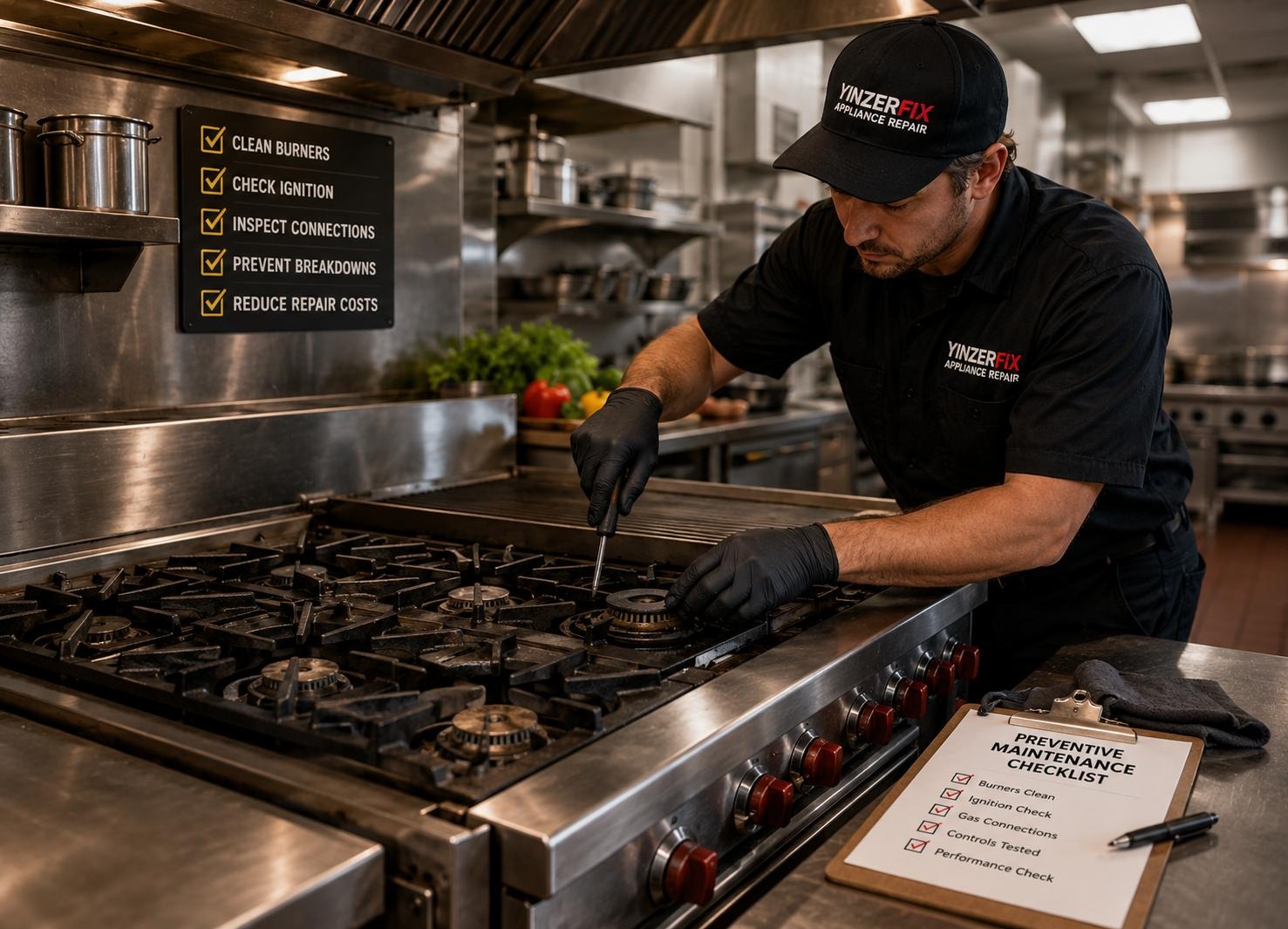
A commercial cooktop is one of the most frequently used pieces of equipment in restaurants, hotels, cafeterias, catering businesses, and institutional kitchens. It operates for long hours every day and is expected to deliver consistent cooking performance without interruption. Because of this constant use, even minor issues can quickly develop into serious problems if they are not addressed early.
Preventive maintenance is one of the most effective ways to reduce unexpected equipment failures and avoid frequent Commercial Cooktop Repair. Rather than waiting for a complete breakdown, regular inspections and routine servicing help identify small issues before they affect kitchen operations. This article explains why preventive maintenance matters, how it supports reliable kitchen performance, and the maintenance practices that help reduce repair requirements.
Why Preventive Maintenance Matters
Commercial kitchens operate on strict schedules. Any equipment failure can delay food preparation, reduce productivity, and create unnecessary operational challenges. Preventive maintenance focuses on keeping equipment in good working condition through scheduled inspections, cleaning, adjustments, and testing. Instead of reacting to equipment failures, businesses can reduce the likelihood of unexpected breakdowns by maintaining their cooktops consistently throughout the year. Some of the major advantages include:
Reduced repair frequency
Longer equipment lifespan
Improved cooking consistency
Better energy efficiency
Safer kitchen operations
Lower operating costs
Reduced emergency service calls
Common Issues Preventive Maintenance Can Help Avoid
Routine maintenance allows technicians to identify developing problems before they become major repairs.
Burner Performance Problems
Food spills, grease buildup, and clogged burner ports can reduce flame quality or heating performance. Cleaning and inspection help restore proper operation before damage occurs.
Faulty Ignition Components
Ignition systems naturally wear over time. Regular testing helps identify weak igniters before they completely fail
Loose Electrical Connections
Commercial electric cooktops experience continuous heating and cooling cycles that may loosen wiring over time. Periodic inspections help prevent electrical failures.
Temperature Control Issues
Thermostats and control switches gradually lose accuracy. Routine calibration ensures the cooktop maintains proper cooking temperatures.
Gas Supply Problems
Small gas leaks or pressure irregularities may go unnoticed during normal operation. Preventive inspections help detect these issues early while maintaining safe kitchen conditions.
Routine Cleaning Protects Equipment
Cleaning is one of the simplest forms of preventive maintenance. Grease, food residue, moisture, and carbon buildup place additional stress on cooktop components. When these contaminants accumulate over time, burners, igniters, heating elements, and controls must work harder than intended. Daily and scheduled cleaning helps maintain:
Even heating
Proper burner operation
Better airflow
Efficient ignition
Cleaner cooking surfaces
Reduced component wear
Proper cleaning also makes it easier to identify early signs of equipment damage.
Regular Inspections Identify Small Problems Early
Many commercial cooktop failures begin as minor issues that are easy to correct. Routine inspections allow technicians to check:
Burner condition
Heating elements
Ignition systems
Electrical wiring
Gas connections
Control knobs
Thermostats
Safety shutoff systems
Addressing these issues early often prevents more expensive repairs later.
Extending Equipment Lifespan
Commercial cooktops represent a significant investment for any food service business. Routine maintenance reduces unnecessary wear on internal components, allowing equipment to operate efficiently for many years. Instead of replacing damaged parts after failures occur, preventive servicing helps preserve:
Burners
Heating elements
Gas valves
Electrical controls
Wiring
Thermostats
Surface components
Well-maintained equipment generally requires fewer major repairs throughout its service life.
Improving Kitchen Productivity
Unexpected cooktop failures affect more than equipment. Kitchen staff may experience:
Delayed food preparation
Longer customer wait times
Reduced cooking capacity
Scheduling disruptions
Increased operational stress
Preventive maintenance keeps equipment available when it is needed most, allowing kitchen operations to continue with fewer interruptions.
Supporting Energy Efficiency
Dirty burners, worn heating elements, and poorly adjusted controls force commercial cooktops to consume more energy while producing less heat. Routine servicing helps maintain efficient operation by ensuring:
Proper burner flames
Accurate temperature control
Clean heating surfaces
Efficient electrical performance
Correct gas pressure
Improved efficiency can contribute to lower utility costs over time.
Improving Kitchen Safety
Commercial kitchens involve high temperatures, electricity, and gas systems. Preventive maintenance helps reduce risks associated with:
Gas leaks
Electrical shorts
Overheating components
Faulty ignition systems
Damaged wiring
Loose gas fittings
Maintaining equipment regularly supports a safer working environment for kitchen staff.
Creating a Preventive Maintenance Schedule
Every commercial kitchen operates differently depending on equipment usage. A basic maintenance schedule may include:
Daily
Clean cooktop surfaces
Remove grease and food debris
Inspect burners for visible damage
Weekly
Clean burner ports
Check ignition performance
Inspect knobs and controls
Monthly
Examine electrical connections
Inspect gas lines
Test heating consistency
Quarterly
Perform professional equipment inspection
Calibrate temperature controls
Check safety components
Annually
Complete comprehensive equipment servicing
Replace worn components if necessary
Conduct full performance testing
A structured maintenance schedule significantly reduces unexpected equipment failures.
Signs Maintenance Should Not Be Delayed
Even with routine care, some warning signs require immediate attention.
Watch for:
Uneven heating
Burners that will not ignite
Weak or irregular flames
Unusual noises
Burning odors
Temperature fluctuations
Damaged control knobs
Frequent circuit breaker trips
Gas odors
Visible wiring damage
Prompt attention helps prevent more extensive Commercial Cooktop Repair Service later.
Why Professional Maintenance Makes a Difference
While daily cleaning can be handled by kitchen staff, professional technicians have the experience and equipment needed to inspect internal systems safely. Professional maintenance often includes:
Gas pressure testing
Electrical diagnostics
Burner calibration
Ignition system inspection
Thermostat testing
Component adjustments
Safety inspections
Performance verification
Professional servicing helps ensure commercial cooktops continue operating reliably under demanding kitchen conditions.
Final Thoughts
Preventive maintenance is one of the most practical ways to reduce unexpected equipment failures and extend the lifespan of commercial cooking equipment. Regular cleaning, scheduled inspections, and timely servicing help identify developing issues before they become major operational problems.
For businesses that depend on reliable kitchen performance every day, preventive maintenance reduces downtime, improves energy efficiency, supports workplace safety, and minimizes the need for costly Commercial Cooktop Repair. Establishing a consistent maintenance routine allows commercial kitchens to operate more efficiently while protecting one of their most valuable pieces of equipment.
Frequently Asked Questions About Commercial Cooktop Repair
1. Why is preventive maintenance important for commercial cooktops?
It helps prevent breakdowns, improves performance, and extends the equipment's lifespan.
2. How often should a commercial cooktop be serviced?
Most commercial cooktops should be professionally serviced every 3 to 6 months.
3. What are the signs a commercial cooktop needs maintenance?
Uneven heating, ignition problems, unusual noises, or inconsistent temperatures.
4. Can regular cleaning reduce Commercial Cooktop Repair needs?
Yes. Regular cleaning helps prevent grease buildup and component damage.
5. Does preventive maintenance improve energy efficiency?
Yes. Well-maintained cooktops use energy more efficiently and heat evenly.
6. Do gas and electric commercial cooktops both need maintenance?
Yes. Both require routine inspections and servicing for reliable operation.
7. What does professional cooktop maintenance include?
It includes inspections, cleaning, testing, calibration, and safety checks.
8. Can preventive maintenance reduce kitchen downtime?
Yes. It helps identify problems early and prevents unexpected equipment failures.
9. Does preventive maintenance extend a commercial cooktop's lifespan?
Yes. Routine care reduces wear and helps the equipment last longer.
10. When is Commercial Cooktop Repair necessary?
When the cooktop has major issues like ignition failure, gas leaks, or electrical faults.