
New Refrigerator, Old Kitchen: What to Expect on Installation Day
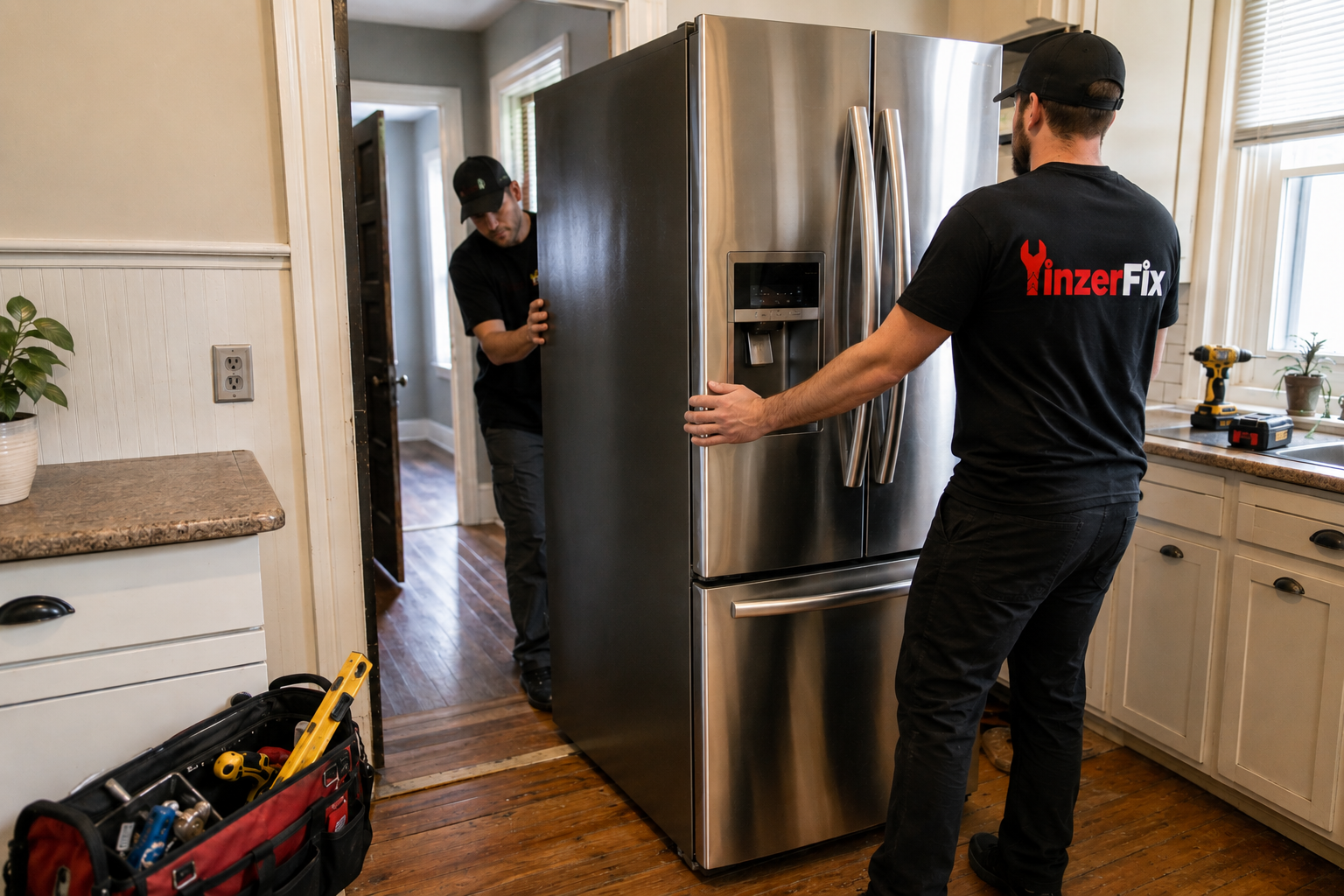
Bringing home a new refrigerator is exciting, but if you live in one of Pittsburgh's older houses, installation day can come with a few surprises. Many homes across the city, from a Bloomfield rowhome to a Victorian in Allegheny West, were built decades before modern appliances existed, and their kitchens were never designed around today's refrigerator sizes. Understanding what's involved in refrigerator installation Pittsburgh homeowners actually deal with can save you a frustrating delivery day and help your new appliance fit properly the first time.
Why Older Pittsburgh Kitchens Present Unique Challenges
Older homes in neighborhoods like Squirrel Hill, Lawrenceville, and Mount Washington often have narrower hallways, tighter doorframes, and kitchens that were laid out long before French-door or counter-depth models were common. A new refrigerator installation in a house like this isn't always as simple as rolling the unit in and plugging it in. Uneven flooring, outdated outlets, and original cabinetry can all affect how smoothly the process goes.
What Actually Happens During Residential Refrigerator Installation
A proper residential refrigerator installation involves more than just placing the appliance where the old one sat. Our technicians typically:
Measure doorways, hallways, and stairwells to confirm safe passage
Check the opening width and depth against the new refrigerator's dimensions
Inspect the electrical outlet for grounding and correct amperage
Connect or reroute the water line for ice makers and water dispensers
Level the unit on uneven or original hardwood flooring
Adjust doors and hinges so they clear cabinets and walls
Remove and safely dispose of the old appliance
Common Issues We Run Into on Older Homes
Homes built before the 1970s were rarely wired with a dedicated appliance circuit, which can create problems for newer refrigerators with digital displays or water dispensers. Old copper or galvanized plumbing may also need an adapter before it can safely support a water line. In rowhomes with narrow interior doors, we sometimes have to remove door trim, hinge pins, or even a cabinet panel to get a full-size refrigerator through to the kitchen. None of these issues are unusual, but they're much easier to handle when they're identified before delivery day rather than discovered halfway through.
Not sure your kitchen will accommodate your new fridge? Call YinzerFix at (412) 909-9091 before your delivery date, or book a pre-installation measurement so our team can flag any clearance or hookup issues in advance.
Tips to Prepare Before Your Delivery Date
A little preparation goes a long way toward a smooth installation:
Measure your tallest doorway, hallway width, and the refrigerator's final spot
Clear a path from the front door to the kitchen
Confirm whether your model needs a water line and where the shutoff valve is located
Ask about the outlet type required, especially for smart or connected models
Have your old refrigerator emptied and unplugged ahead of time
When to Call a Profession al Instead of DIY
Sliding a refrigerator through a doorway that's an inch too narrow can chip trim, dent walls, or damage the appliance itself. A cracked water line fitting can also lead to water damage that's far more costly than the installation would have been. Working with a team experienced in new refrigerator installation for older Pittsburgh homes helps avoid these setbacks and ensures your appliance is set up safely and correctly from day one.
Conclusion
Installing a new refrigerator in an older Pittsburgh kitchen doesn't have to be stressful. With the right measurements, a quick electrical and plumbing check, and an experienced team on hand, most older homes can accommodate a modern refrigerator without major renovations. If you want help planning ahead of your delivery, YinzerFix offers residential appliance installation across Pittsburgh's older neighborhoods and can walk you through exactly what your kitchen will need.
Frequently Asked Questions
1. Will my new refrigerator fit through my kitchen doorway?
Most standard doorways accommodate typical refrigerator widths, but older homes with narrower frames may require removing trim or a door temporarily. Measuring ahead of delivery day helps avoid surprises.
2. Do all refrigerators need a water line hookup?
Only models with an ice maker or water dispenser require a water line connection. Older homes with galvanized or copper plumbing may need an adapter fitting first.
3. Can an old electrical outlet handle a new refrigerator?
Not always. Some older homes lack a dedicated appliance circuit, which can cause tripped breakers or performance issues with newer refrigerator models.
4. Should I hire a professional for refrigerator installation?
Professional installation reduces the risk of property damage, plumbing leaks, and appliance damage, especially in kitchens with tight clearances or older utilities.
5. How long does a typical residential refrigerator installation take?
Most installations take one to two hours, though homes with clearance or hookup issues may require additional time to resolve.