
How to Measure Cabinet and Counter Space Before a Residential Kegerator Installation
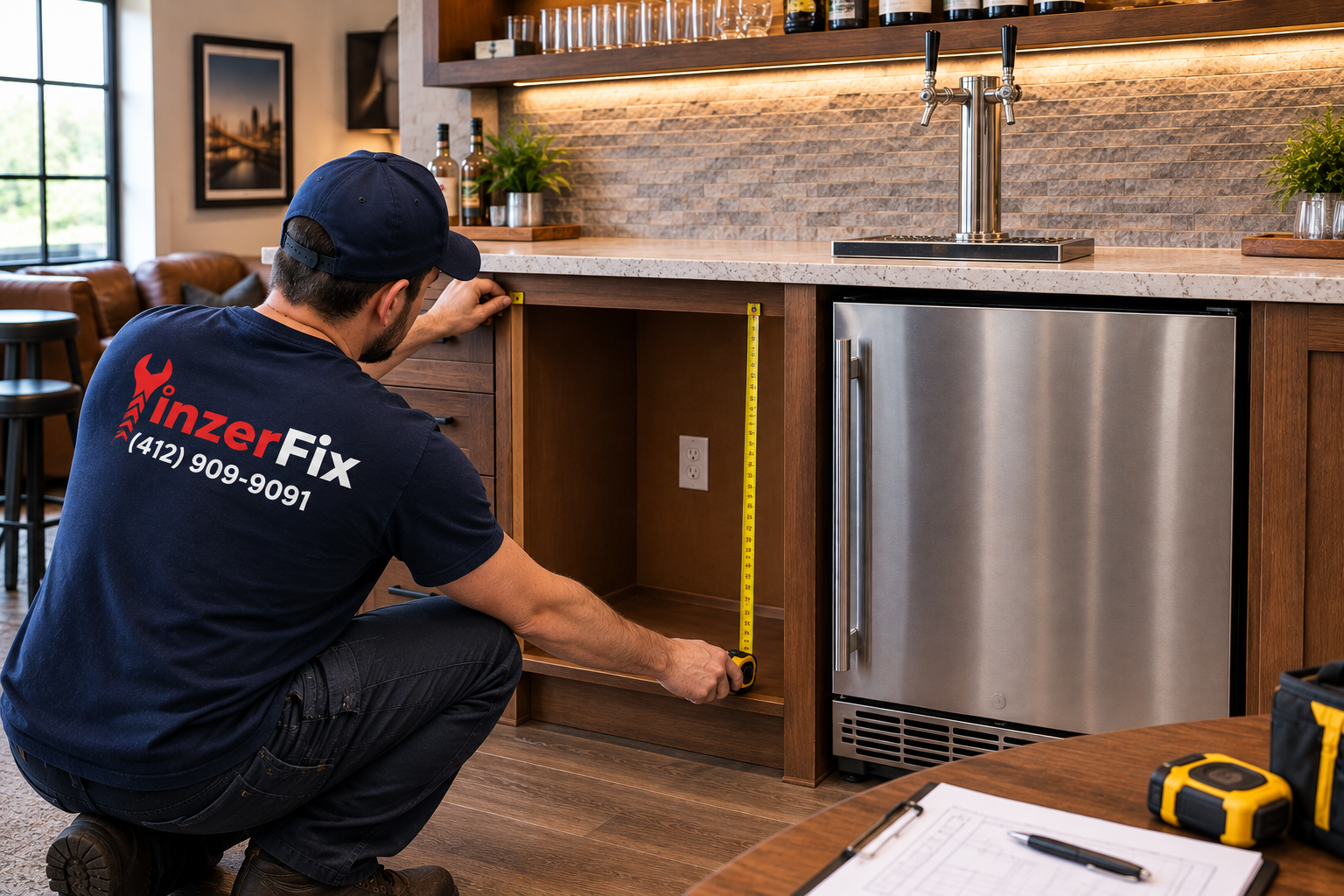
A home bar upgrade is exciting, but a Residential Kegerator Installation only goes smoothly when the space around it is measured correctly first. Whether you're building a new wet bar, converting a kitchen cabinet, or adding a stand-alone unit to the garage, getting the dimensions right the first time prevents wasted money, damaged cabinetry, and appliance airflow problems down the road. Before you schedule your Beer Tap Installation, here's exactly what to measure and why it matters.
Why Measuring Matters Before Installation Day
Kegerators and beer dispensing systems aren't a one-size-fits-all appliance. Undercounter kegerator units, freestanding beer keg refrigerators, and dual-tap dispensers all have different footprint, clearance, and ventilation needs. Skipping this step is one of the most common reasons homeowners run into problems on installation day — a unit that won't slide into the cabinet, a tap tower that hits an upper cabinet, or a compressor that overheats because it has nowhere to vent.
Step 1: Measure the Cabinet Opening
Start with the width, depth, and height of the cabinet cutout where the unit will sit.
Width: Measure at the narrowest point, including any trim or molding
Depth: Account for door swing and back-panel clearance
Height: Leave at least 1 inch above the unit for airflow
Flooring: Check that flooring transitions won't block the door or drawer
Step 2: Check Counter and Overhead Clearance
For a built-in home bar kegerator, the counter above needs enough clearance for the tap tower and drip tray. Measure from the top of the appliance opening to the underside of the countertop, and confirm there's room for the faucet handle to lift fully without hitting the counter's edge or a backsplash.
Step 3: Plan for Proper Ventilation
Undercounter kegerators typically pull air from the front, but they still need side and rear clearance to avoid heat buildup. As a general guideline:
Leave 1–2 inches on each side for air circulation
Avoid enclosing the unit on all four sides without a vent kit
Keep the space away from direct sunlight or heat-producing appliances
Confirm a nearby grounded outlet for safe electrical connection
Step 4: Confirm Keg Size and Door Swing
Different keg sizes (sixth barrel, quarter barrel, or full-size) change how much internal depth you need, which in turn affects the outer cabinet measurement. Don't forget to check that the cabinet door or drawer can open fully once the appliance is in place — a common oversight during DIY planning.
Not sure your cabinet space will work? Call YinzerFix at (412) 909-9091 or book a free measurement consultation before you buy your unit — it can save you an expensive return or a re-cut cabinet.
When to Bring in a Professional
Even careful measuring can miss small details like drain line routing, electrical placement, or subfloor leveling. Our residential installation services team measures, levels, and secures your kegerator so the tap, drip tray, and door all function correctly from day one, whether it's a first-time home bar or an upgrade to your existing residential appliance setup.
Conclusion
Getting your cabinet and counter measurements right is the foundation of a successful Residential Kegerator Installation. Taking a few extra minutes with a tape measure now prevents costly surprises later, and gets your home bar pouring cold, properly tapped beer sooner.
Frequently Asked Questions
1. What is the standard cabinet size for an undercounter kegerator?
Most undercounter kegerators require a cabinet opening of about 24 inches wide, 24 inches deep, and 34 inches tall, though exact sizing varies by brand and keg capacity.
2. How much clearance does a kegerator need for ventilation?
Most units need at least 1–2 inches on the sides and rear, plus unobstructed front airflow, to prevent compressor overheating.
3. Can a kegerator be fully built into cabinetry?
Yes, but only if it's rated for built-in use or paired with a proper vent kit; standard freestanding units need open-air clearance on multiple sides.
4. Does keg size affect the cabinet measurements I need?
Yes. A full-size keg requires more internal depth than a quarter or sixth barrel, which changes the outer cabinet dimensions needed.
5. Should I measure before or after choosing my kegerator model?
Measure your available space first, then shop for a model that fits those dimensions — this avoids purchasing a unit that doesn't fit your cabinet or counter layout.