
Cooktop Suddenly Stopped Working? Troubleshooting by Cooktop Type
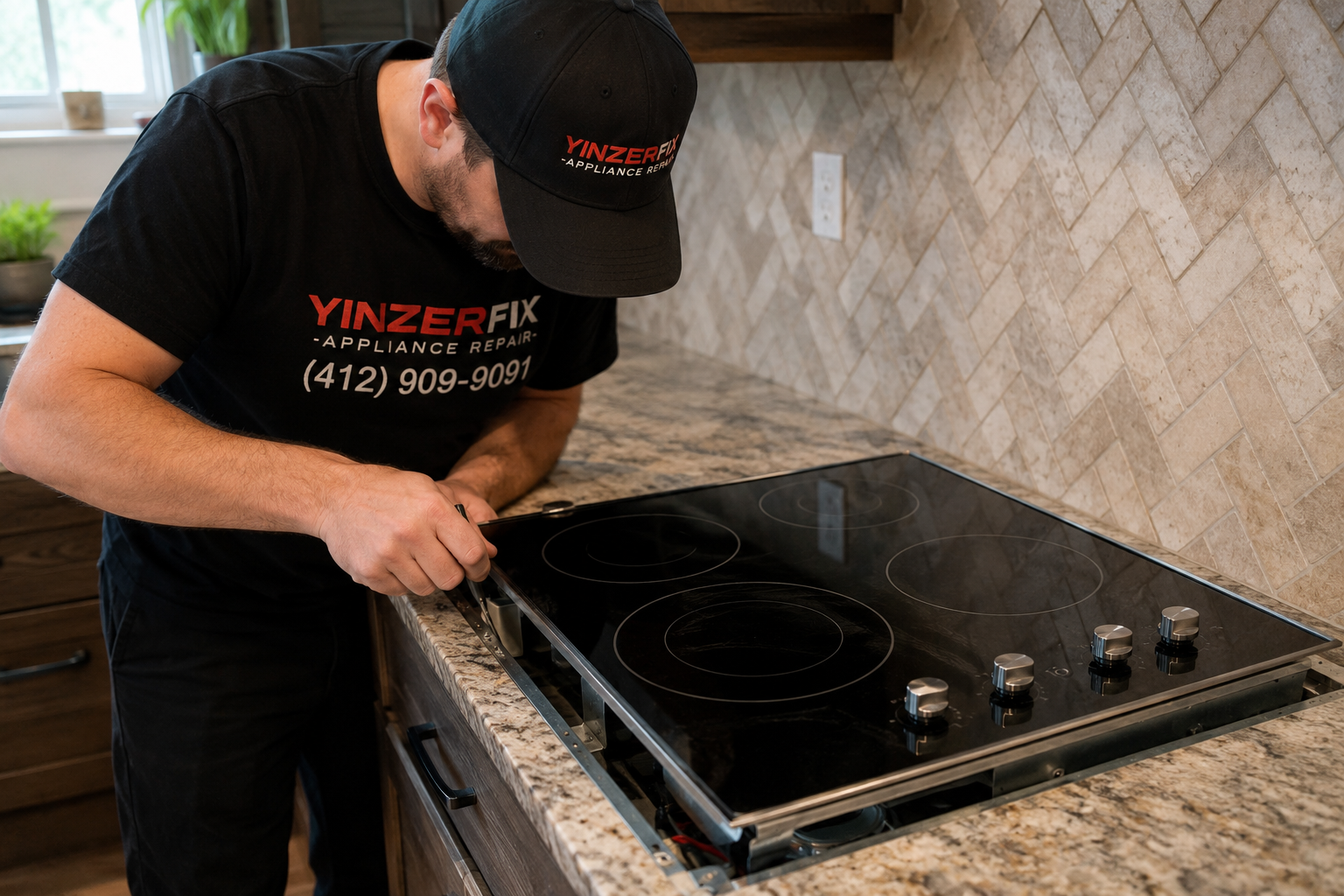
Few things disrupt a home kitchen faster than a cooktop that won't heat up. One minute you're prepping dinner, the next you're staring at a dead burner or a blank control panel. Before you assume the worst, it helps to know what commonly goes wrong with each cooktop type — gas, electric, or induction — and which fixes are safe to try yourself versus when it's time to call a trained technician.
Why a Sudden Cooktop Breakdown Matters More Than You Think
A cooktop isn't just another kitchen gadget — it's the appliance your household relies on every single day, from morning coffee to family dinners. When it stops working without warning, meal prep grinds to a halt and small issues can quietly turn into bigger, costlier repairs if ignored. Knowing the early warning signs can save you both time and money.
Gas Cooktop: Why Burners Won't Ignite or Stay Lit
Gas cooktops are reliable, but a few small issues can prevent burners from lighting. If your flame is weak, uneven, or won't ignite at all, check for:
Clogged burner ports from spills or food debris
A worn or dirty igniter that clicks but doesn't spark consistently
A pilot light that has gone out on older models
Low gas flow caused by a partially closed valve
A failing thermocouple that shuts off gas flow as a safety measure
If you ever smell gas near your cooktop, turn off the supply valve and call a professional immediately — this is not a DIY situation.
Electric Cooktop: What Causes Elements to Stop Heating
Electric cooktops rely on coils, glass-top elements, and internal switches. When a burner won't heat or heats inconsistently, common causes include:
A burned-out heating element or coil
A faulty infinite switch or control knob
Loose internal wiring connections
A tripped breaker or blown fuse
A cracked glass surface affecting element contact
Because electric cooktops carry live current, opening the control panel yourself can be risky — this is where professional electric cooktop repair keeps both you and your kitchen safe.
Induction Cooktop: Diagnosing Sensor and Display Issues
Induction cooktops are popular in newer Pittsburgh kitchens for their speed and precise control, but their electronics are more sensitive than traditional models. If your induction cooktop suddenly stops responding, look for:
Error codes flashing on the digital display
Cookware that isn't magnetic-compatible and won't trigger the sensor
An automatic shutoff triggered by overheating or poor ventilation
A failing power control board
Spills or moisture interfering with the touch controls
These issues usually require diagnostic equipment to pinpoint accurately, so a professional visit is often the quickest path back to a working stovetop.
Practical Maintenance Tips to Avoid Future Breakdowns
A little routine care goes a long way toward preventing a sudden cooktop failure:
Wipe down burner ports, coils, or glass surfaces regularly to prevent buildup
Have gas connections inspected periodically for leaks or wear
Check control knobs and wiring for looseness during cleaning
Keep induction sensors and vents free of grease and spilled liquid
Address minor issues, like a flickering flame, before they become full failures
If your cooktop is already showing warning signs — uneven flames, a burner that won't heat, or an unresponsive touch panel — don't wait for a total breakdown. Call YinzerFix at (412) 909-9091 or schedule an appointment online for fast, same-day diagnosis.
When to Call a Professional Cooktop Repair Technician
Basic cleaning solves some problems, but gas leaks, wiring faults, and control board failures call for certified expertise. YinzerFix Appliance Repair serves homeowners throughout Pittsburgh and works on gas, electric, and induction cooktops from all major brands. If your issue looks similar to what you'd see with a home range that won't heat evenly, the underlying components are often related, and our technicians can check both during one visit.
Conclusion
A sudden cooktop failure doesn't have to ruin dinner plans for good. Knowing what typically goes wrong with gas, electric, and induction models helps you decide what to check yourself and when to bring in a professional. For dependable, same-day cooktop repair for your home, reach out to YinzerFix Appliance Repair — Pittsburgh's trusted local experts for kitchen appliance repair.
Frequently Asked Questions
1. Why did my home cooktop stop working with no warning?
Sudden failures are often caused by a tripped breaker, a failed igniter, a gas supply issue, or a control board fault, depending on your cooktop type.
2. Is it safe to troubleshoot a gas cooktop myself?
Basic checks like clearing burner ports are fine, but any suspected gas leak or ignition problem should be handled by a licensed technician.
3. Why does my induction cooktop show an error code instead of heating?
Error codes usually point to sensor issues, incompatible cookware, or an overheating shutoff — a diagnostic check confirms the exact cause.
4. How often should a home cooktop be professionally serviced?
An annual inspection is usually enough for most households, though older units or heavily used kitchens may benefit from more frequent checks.
5. Does YinzerFix repair all cooktop types?
Yes. Our certified technicians repair gas, electric, and induction cooktops for homeowners throughout Pittsburgh and the surrounding areas.