
Built-In vs. Commercial Steam Table Not Holding Temperature? Possible Causes and Solutions
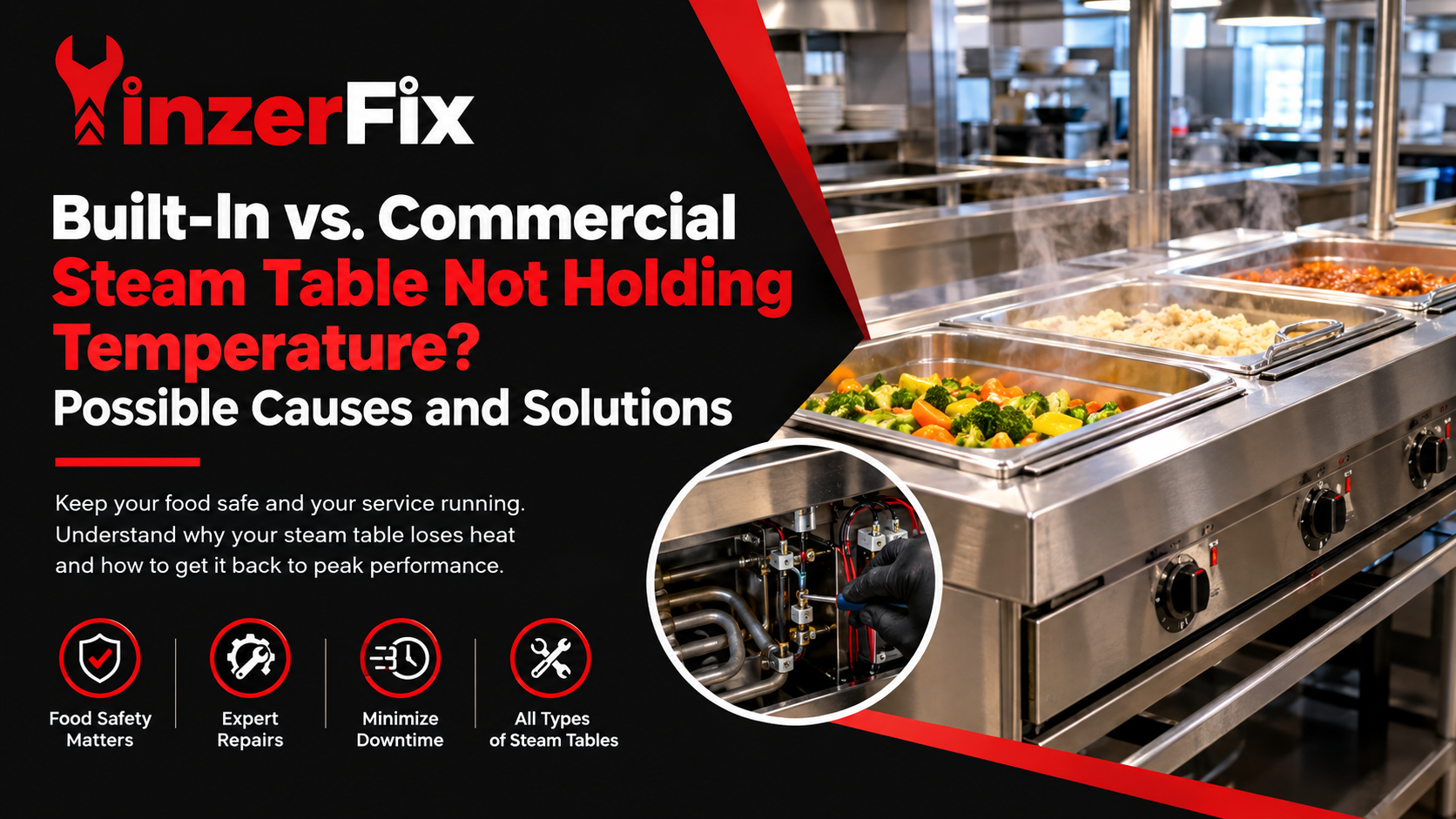
Consistent holding temperature is what keeps a buffet line, catering setup, or cafeteria service running safely and smoothly. When a unit needs Steam Table Repair, the problem usually shows up at the worst possible moment — during a lunch rush or a full banquet line — and it can affect both food safety and customer experience. Whether you operate a built-in steam table or a portable commercial unit, understanding why it loses heat is the first step toward a lasting fix.
Why Holding Temperature Matters in a Commercial Kitchen
Steam tables are built to keep hot food at a safe serving temperature for extended periods. When wells stop holding heat consistently, food can drop below safe temperature thresholds, which creates health code concerns and forces staff to constantly monitor and reheat pans. For restaurants, cafés, bars, and catering kitchens across Pittsburgh, this isn't just an inconvenience — it's a compliance and reputation risk.
Common Causes of a Steam Table Losing Heat
Several issues can prevent a steam table from maintaining a steady temperature:
Faulty heating elements – Worn or burnt-out elements are one of the most frequent reasons an electric unit runs cool.
Thermostat or control failure – A misreading thermostat can cause a well to cycle off too early or never reach the correct setting.
Low or improper water levels – Wet wells rely on the right water depth to transfer heat evenly; too little water causes uneven heating.
Damaged gaskets or seals – Gaps around lids or wells let heat escape, especially on built-in units.
Wiring and connection issues – Loose or corroded wiring can cause intermittent power to heating elements.
Gas supply problems (for gas-heated units) – Inconsistent gas pressure or a dirty burner can prevent steady, even heat.
Overloaded pans or improper pan spacing – Too much food per well can pull heat away faster than the unit can recover.
Built-In vs. Portable Units: Different Failure Points
Built-in steam tables are wired directly into a kitchen's electrical or gas line, so heating issues often trace back to wiring, gas connections, or ventilation clearance around the unit. Portable and drop-in commercial units, on the other hand, are more likely to develop problems with individual elements, thermostats, or worn power cords from frequent moving and cleaning. Knowing which type you operate helps a technician narrow down the diagnosis faster.
Noticing your steam table struggling to hold temperature right now? Call YinzerFix Appliance Repair at (412) 909-9091 or book a service visit online — our technicians can often diagnose the issue same-day before it affects your next service.
Preventive Maintenance That Helps Steam Tables Run Longer
Routine care goes a long way toward avoiding mid-shift breakdowns. Descale wet wells regularly to prevent mineral buildup on heating elements, check gaskets and lids for wear each month, and confirm thermostats are holding an accurate setting with a calibrated thermometer. For gas-heated tables, keeping burners clean and free of grease buildup helps maintain even flame distribution. Staff should also avoid overfilling wells beyond the recommended pan capacity, since overloading is a common and avoidable cause of temperature loss.
When to Call a Professional
If cleaning, refilling water wells, or adjusting the thermostat doesn't resolve the issue, it's time for a professional inspection. A trained technician can test heating elements, verify thermostat accuracy, and check electrical or gas connections safely — something that shouldn't be attempted without the right tools. Businesses managing multiple pieces of kitchen equipment often benefit from working with a provider that handles the full range of restaurant and commercial kitchen appliance repair services, reducing downtime across the whole operation.
Conclusion
A steam table that won't hold temperature is more than a minor annoyance — it's a food safety and service issue that deserves prompt attention. From worn heating elements to thermostat and gasket failures, most causes are diagnosable and repairable when caught early. If your unit needs Commercial Steam Table Repair or Electric Steam Table Repair, YinzerFix Appliance Repair provides reliable Pittsburgh Appliance Repair for restaurants, cafés, bars, and commercial kitchens throughout the region. Our team offers dependable Appliance Repair Pittsburgh businesses trust to keep service lines running without interruption.
Frequently Asked Questions
1. Why is my steam table heating unevenly?
Uneven heating is often caused by low water levels in wet wells, a failing heating element, or overloaded pans that pull heat away faster than the unit can recover.
2. Can a steam table thermostat be recalibrated instead of replaced?
In some cases, yes. A technician can test accuracy first and recalibrate a slightly off thermostat before recommending a full replacement.
3. How often should commercial steam tables be serviced?
Most commercial kitchens benefit from a professional inspection at least twice a year, with routine cleaning and gasket checks performed monthly.
4. Is it safe to keep using a steam table that runs cooler than normal?
No. Food held below safe temperatures can pose a health risk. It's best to have the unit inspected before continuing regular use.
5. Do gas and electric steam tables fail for the same reasons?
Not always. Electric units more commonly develop element or thermostat issues, while gas units are more likely to have burner or gas supply problems.
Tags :
- Steam Table Repair
- Commercial Steam Table Repair
- Electric Steam Table Repair
- Pittsburgh Appliance Repair
- Appliance Repair Pittsburgh
- Affordable Home Appliance Repair
- steam well repair
- buffet steam table repair
- steam table heating element replacement
- steam table thermostat problems
- drop-in steam table repair
- commercial food warmer repair
- steam table not heating up
- restaurant equipment repair Pittsburgh
- commercial kitchen equipment repair
- food holding temperature equipment