
Built-In or Add-On Ice Maker: Which One Should You Install?
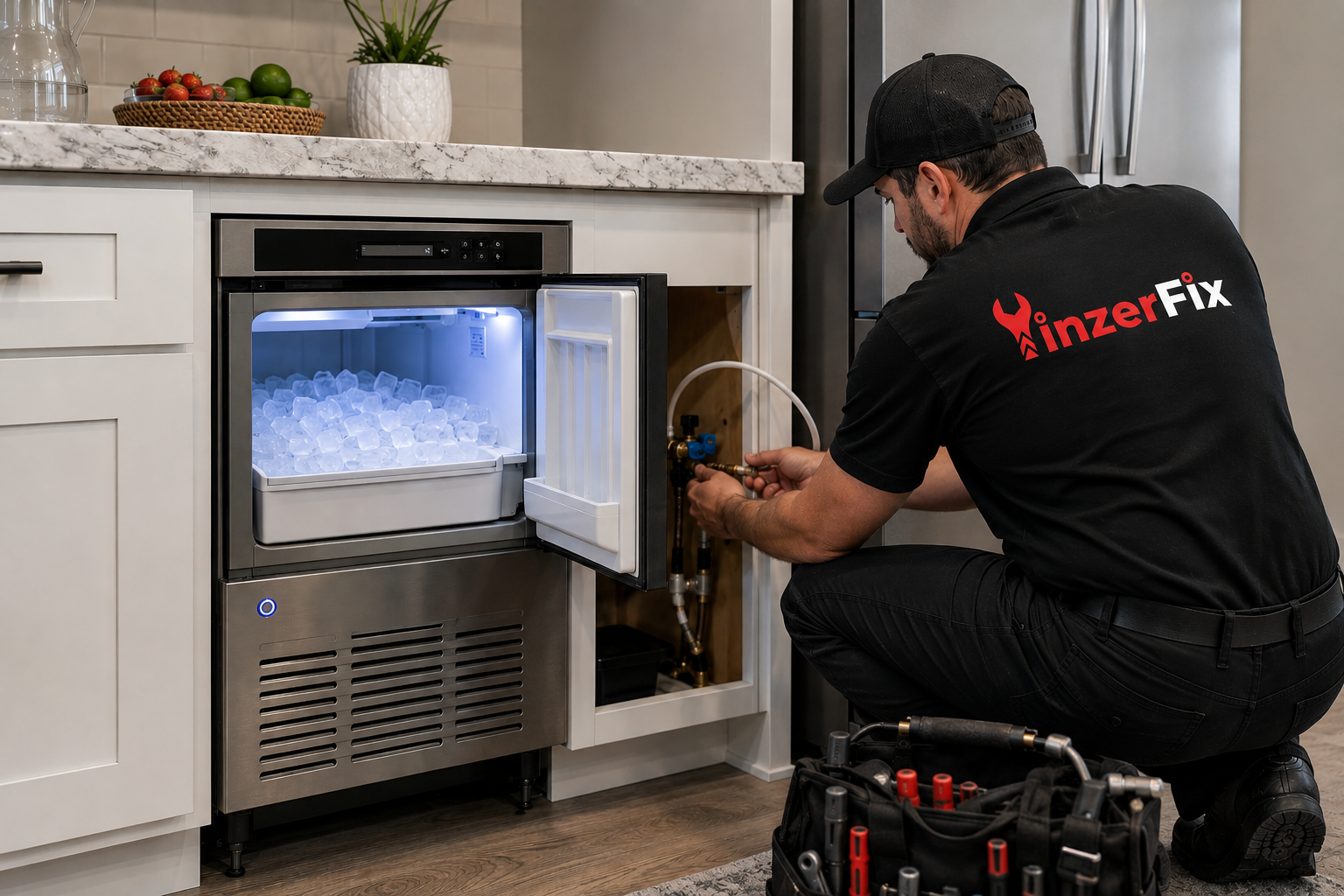
Running out of ice during a summer cookout or a full house of guests is a hassle no one wants to deal with twice. If your refrigerator can't keep up, you've likely landed on two options: a built-in ice maker or an add-on kit for your existing fridge. Both solve the same problem, but they come with very different installation needs. Here's what to know before you choose a residential ice maker installation for your home.
Built-In Ice Makers: What They Involve
A built-in ice maker is either a dedicated unit installed under a counter or the factory-integrated ice maker inside a refrigerator or freezer. This option typically requires:
A direct water line connection to the unit
A dedicated electrical outlet nearby
Proper drainage for excess water, in most under-counter models
Enough clearance for ventilation, since these units generate heat during operation
Built-in units tend to produce ice faster and in larger volumes, which makes them a popular choice for households that entertain often.
Add-On Ice Makers: A Simpler Upgrade
An add-on ice maker kit is designed to retrofit an existing refrigerator or freezer that didn't come with one installed. Instead of replacing the whole appliance, a technician connects the ice maker module inside the freezer compartment and runs a water line to it. This route is often more budget-friendly than a full built-in ice maker installation, but it does depend on your refrigerator model being compatible with a retrofit kit, not every unit is.
Comparing the Two: Which One Fits Your Kitchen?
Factor | Built-In Ice Maker | Add-On Ice Maker |
|---|---|---|
Ice production speed | Higher | Moderate |
Installation complexity | More involved | Simpler retrofit |
Upfront cost | Higher | Lower |
Space required | Dedicated unit or cabinet space | Fits inside existing freezer |
If your household regularly needs large quantities of ice, a dedicated built-in unit is usually worth the investment. If you just want your current refrigerator to produce ice without buying new appliances, an add-on kit is often the more practical path.
Common Installation Mistakes to Avoid
Improper refrigerator ice maker installation is one of the most common causes of leaks and poor ice quality down the road. Issues we frequently see include water lines connected without a shutoff valve, incorrect water pressure causing slow or incomplete ice cycles, and improperly sealed connections that lead to slow leaks inside cabinetry. These problems are avoidable with the right setup from the start, which is why many homeowners choose professional installation rather than a DIY kit.
Why Professional Installation Matters
Whether you're adding a standalone unit or retrofitting your current fridge, proper water line connections and electrical setup are critical to avoid leaks and appliance strain. If you're not sure which option fits your kitchen, reach out to our team or call (412) 909-9091, and we'll walk you through the right choice for your space and usage needs.
Conclusion
Both built-in and add-on ice makers can solve your ice shortage problem, but the right choice depends on your kitchen layout, budget, and how much ice your household actually needs. For dependable ice maker installation in Pittsburgh, book an appointment with YinzerFix or call (412) 909-9091, and we'll help you get set up correctly the first time.
Frequently Asked Questions
1. Can any refrigerator be retrofitted with an add-on ice maker?
Not always. Compatibility depends on the freezer model and available space; a technician can confirm if your unit supports a retrofit kit.
2. Do ice makers need a dedicated water line?
Yes, most ice makers require a direct connection to a water supply line, ideally with a shutoff valve for easy maintenance.
3. How long does ice maker installation typically take?
Simple add-on installations can often be completed within a couple hours, while built-in units may take longer depending on plumbing and electrical access.
4. Why is my new ice maker producing less ice than expected?
Low water pressure, a kinked supply line, or an improperly leveled unit are common causes of reduced ice production.
5. Is professional installation necessary for an ice maker?
While some kits are marketed as DIY-friendly, professional installation reduces the risk of leaks, ensures correct water pressure, and protects your appliance warranty.