
Adding an Ice Maker to Your Kitchen? Here's What to Know
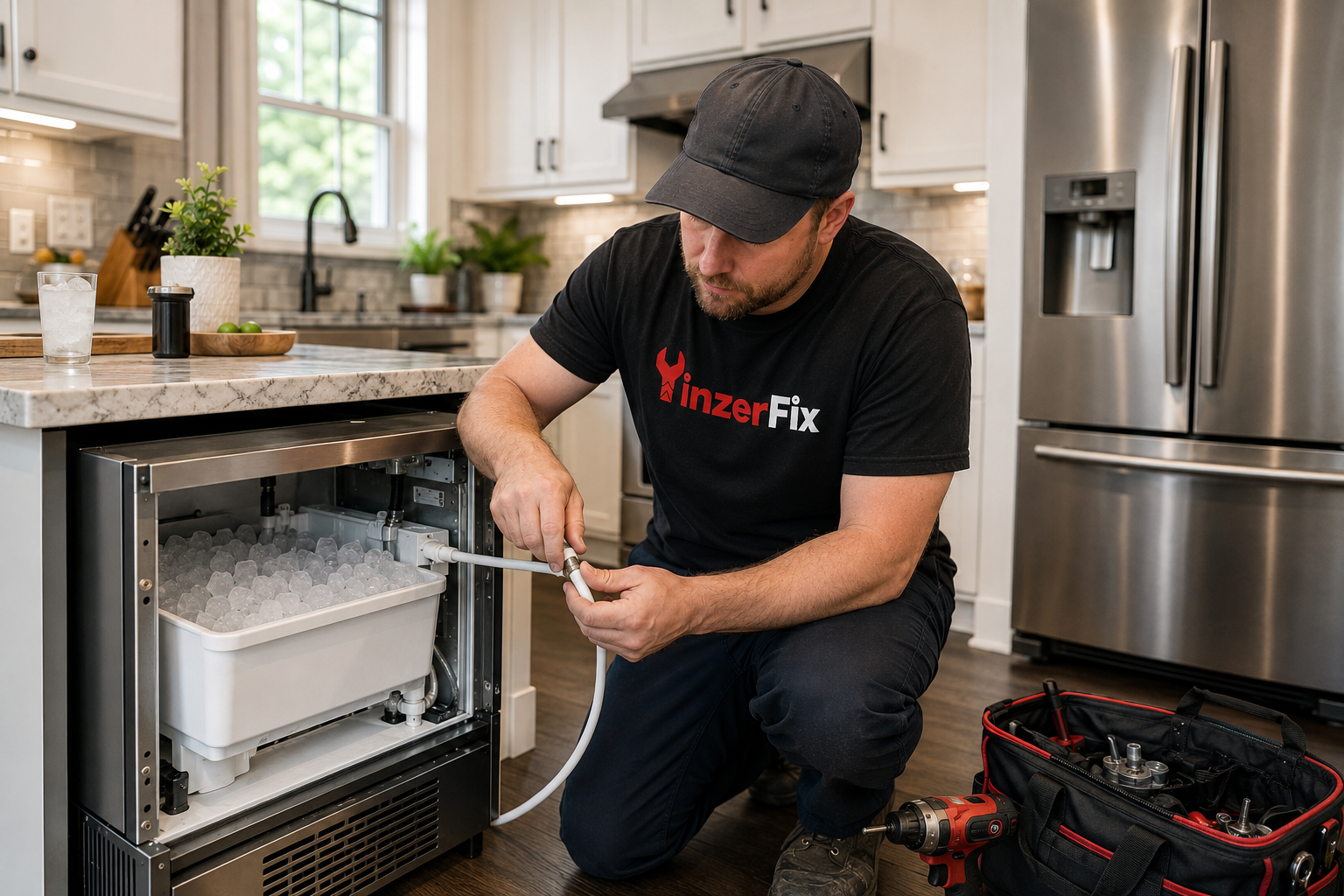
More Pittsburgh homeowners are adding standalone or built-in ice makers to their kitchens, and it's easy to see why. Between summer cookouts and daily use, a dedicated ice maker takes the pressure off your refrigerator's ice bin and keeps drinks cold without a trip to the store. But before you buy, it helps to understand what a proper ice maker installation actually involves.
Why Homeowners Are Adding a Dedicated Ice Maker
Standard refrigerator ice makers often can't keep up with larger households or frequent entertaining. A dedicated unit produces ice faster and in higher volume, which is why many local kitchens are getting a stand-alone setup installed alongside their existing refrigerator. If you're already upgrading your kitchen, this is often paired with a new refrigerator installation or a broader appliance refresh.
What Ice Maker Installation Actually Involves
A proper setup is more than plugging in a unit. It typically includes:
Running a dedicated water line to the appliance
Confirming adequate water pressure and a shutoff valve
Checking electrical requirements for the unit
Leveling the appliance so ice forms and drains correctly
Verifying drainage for models that require it
Testing the unit for leaks before first use
Skipping any of these steps is one of the most common reasons a residential ice maker installation fails to perform correctly right out of the gate.
Common Problems After a Poor Installation
Even a good appliance can perform poorly if it isn't set up correctly. Homeowners often notice small ice cubes, slow production, water pooling near the unit, or the machine cycling on and off without producing ice at all. In older Pittsburgh homes especially, water lines can be undersized or hard water can leave mineral buildup that affects the fill valve. If any of this sounds familiar, it may be time for a residential ice maker repair rather than a full replacement.
Ice Maker vs. Refrigerator Installation: What's the Difference?
Some homeowners assume adding an ice maker is the same as a residential refrigerator installation, but the two jobs have different requirements. A refrigerator only needs power and, in most cases, a single water line for its built-in dispenser. A stand-alone ice maker often needs its own drain, ventilation clearance, and sometimes a dedicated circuit. Confusing the two is a common cause of installation delays.
Not sure which setup fits your kitchen? Call (412) 909-9091 or book a visit online and we'll walk you through it before any work begins.
Tips Before You Buy
Measure your available cabinet or counter space first
Confirm whether your kitchen already has a water line nearby
Ask about noise levels if the unit will sit near a living space
Consider ice production capacity based on household size
Ask your installer about warranty terms up front
When to Call a Professional
DIY installation might seem like an easy weekend project, but incorrect water line connections are one of the top causes of kitchen water damage. A licensed technician can complete your ice maker installation correctly the first time and catch issues, like low water pressure or drainage problems, before they become expensive repairs.
Conclusion
Whether you're adding a stand-alone ice maker or handling a new refrigerator installation at the same time, getting the setup right from day one saves you from leaks, poor ice quality, and premature breakdowns. YinzerFix handles residential installations across Pittsburgh and can make sure your new appliance is set up safely and correctly.
Frequently Asked Questions
1. How long does ice maker installation take?
Most residential installations take one to two hours, depending on whether a new water line needs to be run.
2. Can any refrigerator have an ice maker added?
Not always. Some refrigerators are ice maker-ready, while others require additional parts or aren't compatible at all.
3. Why is my new ice maker producing small or hollow ice cubes?
This is often related to water pressure, a clogged filter, or an incomplete fill cycle, and usually points to a repair need rather than a defective unit.
4. Do I need a plumber for ice maker installation?
A qualified appliance technician can typically handle the water line connection without a separate plumber visit.
5. How much does residential ice maker installation cost?
Costs vary based on whether a new water line is needed and the type of unit being installed. A technician can provide an accurate quote after a quick assessment.
Tags :
- Ice Maker Installation
- Residential Ice Maker Installation
- Residential Refrigerator Installation
- Residential Ice Maker Repair
- New Refrigerator Installation
- Built-In Ice Maker Installation
- Ice Maker Water Line Installation
- Refrigerator Ice Maker Not Working
- Ice Maker Installation Cost
- Kitchen Appliance Installation Pittsburgh
- Ice Maker Hookup
- how to install an ice maker in an existing kitchen
- cost to install a residential ice maker
- signs your ice maker needs repair
- do I need a plumber for ice maker installation
- best ice maker installation for small kitchens